Behavioral patterns in wireless chance-based apps: how tracking reshapes layered incentives for reel and table enthusiasts
Written by Finley Keller · Jun 7, 2026
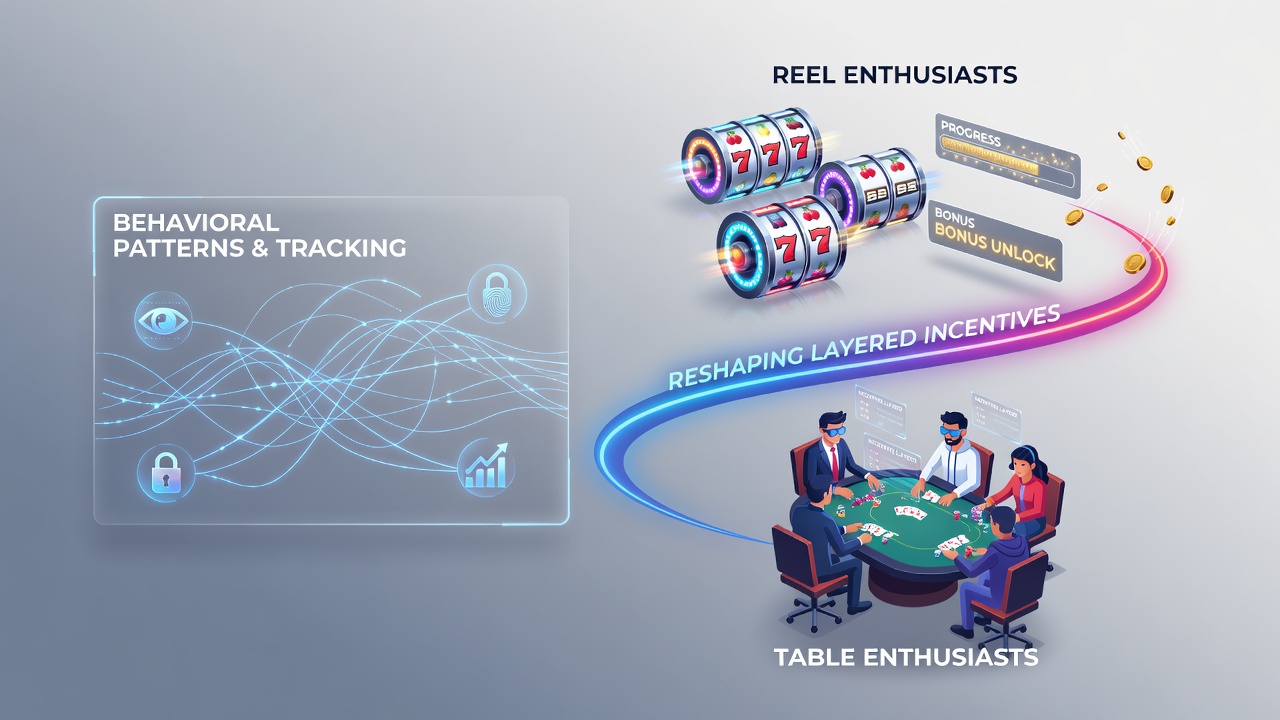
Behavioral patterns in wireless chance-based apps: how tracking reshapes layered incentives for reel and table enthusiasts
Wireless chance-based apps collect extensive user data through device sensors, session logs, and interaction metrics, and this information directly influences how operators construct reward structures for participants who favor reel-based games or table formats. Studies from academic institutions indicate that real-time tracking allows platforms to segment users by play frequency, wager size, and game preference, which in turn supports the delivery of targeted incentives such as customized free spins for reel enthusiasts or table-specific cashback tiers. Data from industry reports show that these adjustments occur continuously rather than through static loyalty programs.
Tracking mechanisms in mobile environments
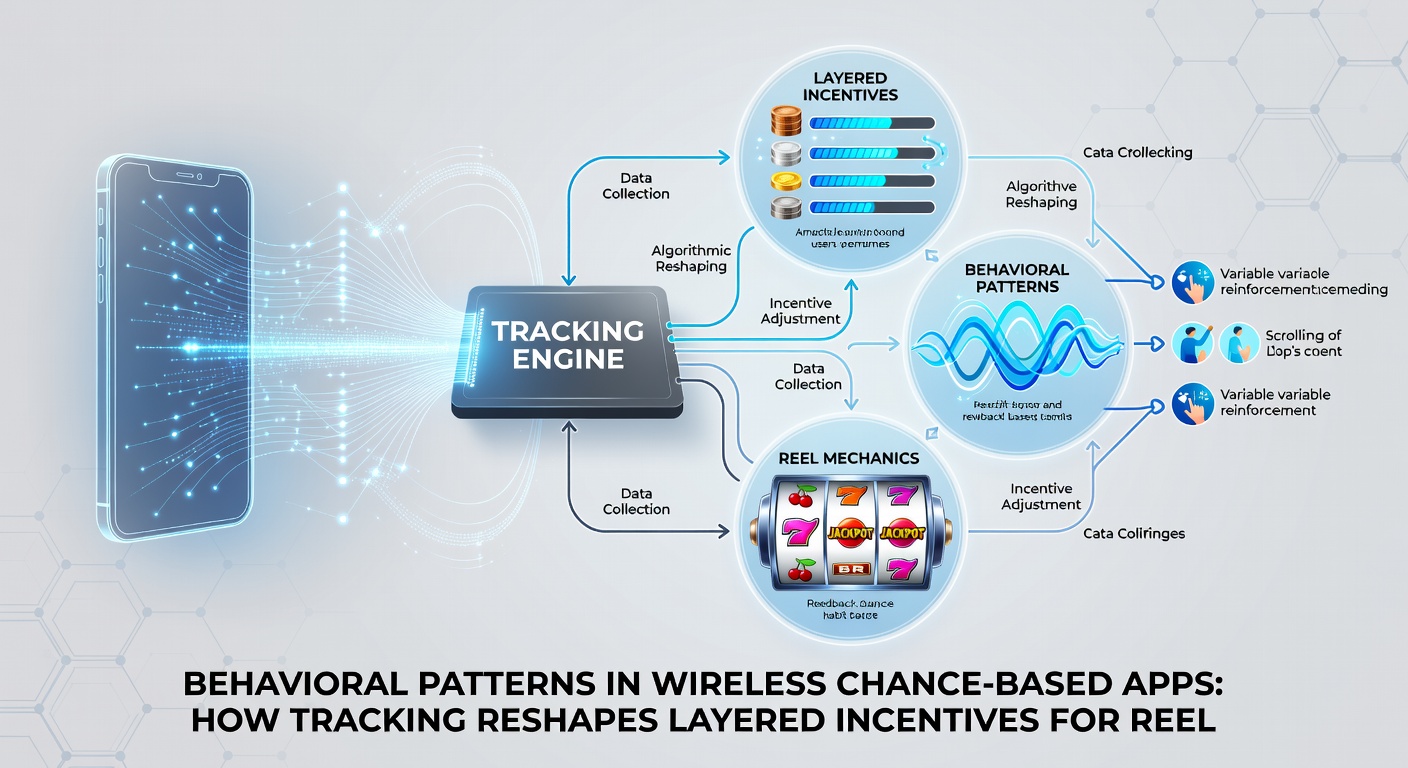
Device-level identifiers, GPS signals when permitted, and in-app telemetry form the backbone of behavioral monitoring, while researchers at institutions like the University of Nevada, Las Vegas have documented how these inputs feed into algorithms that predict session duration and spending patterns. Reel-focused players often generate distinct signals through rapid spin sequences and bonus round triggers, whereas table game participants produce data tied to decision timing and bet progression. Operators integrate this information into dashboards that adjust incentive layers, including progressive multipliers or exclusive tournament entries, based on observed habits rather than uniform distribution across all users.
Layered incentive structures
Multiple reward tiers exist simultaneously within most apps, and tracking refines each layer by matching offers to individual histories. A base loyalty point system accrues across all activity, yet higher strata incorporate personalized elements such as reel-specific jackpot entries for users who demonstrate consistent volume on those titles or table game rake rebates calibrated to average bet levels. Evidence from regulatory filings in several jurisdictions reveals that operators deploy A/B testing on incentive variants, measuring uptake rates to refine future allocations without altering core game mathematics.
What's notable is the shift toward dynamic personalization, where algorithms recalibrate offers mid-session when certain thresholds are crossed. Reel enthusiasts might receive accelerated progress toward a free spin bundle after a streak of losses, while table participants see elevated comps for live dealer sessions that extend beyond typical durations. These modifications rely on predictive models trained on aggregated datasets rather than manual intervention.
Differences between reel and table enthusiast responses
Behavioral datasets indicate that reel players tend to respond more readily to time-limited incentives tied to volume, such as extra spins unlocked after a set number of rounds, whereas table enthusiasts show stronger engagement with status-based rewards like exclusive table access or dealer interaction perks. Observers note that cross-game tracking enables operators to migrate users between categories through hybrid offers, for instance bridging slot play into blackjack tables via shared loyalty currencies. Figures from the Australian Gambling Research Centre demonstrate measurable differences in session extension rates when incentives align closely with tracked preferences.
June 2026 marks a point at which several North American and European frameworks require enhanced transparency around data usage for incentive delivery, prompting operators to document how tracking informs reward allocation. This regulatory evolution builds on earlier standards and affects how layered programs present terms to users who engage with both reel and table formats.
Cross-platform data integration
Many apps synchronize activity across devices and sometimes link to external accounts, allowing operators to maintain continuous profiles that span wireless sessions and occasional land-based visits. Research indicates this integration supports more precise incentive layering, such as carrying forward reel-based progress into table game promotions or vice versa. Industry analyses from the American Gaming Association highlight cases where unified tracking reduced incentive overlap while increasing overall participation metrics among segmented cohorts.
Take one documented example where operators adjusted table game rakeback percentages for users whose reel activity showed high volatility patterns, resulting in sustained engagement across both categories. Such adjustments depend on granular data points including time-of-day preferences and device type correlations rather than broad demographic categories.
Regulatory and technical considerations
Jurisdictions continue to examine the boundaries of behavioral tracking in chance-based environments, and updates scheduled around mid-2026 emphasize consent mechanisms and data minimization principles. These developments influence how operators present incentive options without disrupting the underlying reward architecture. Technical standards from bodies such as the International Association of Gaming Regulators support consistent logging practices that allow verification of how tracking data translates into personalized offers.
Conclusion
Tracking technologies continue to refine the delivery of layered incentives in wireless chance-based apps by aligning rewards with observed patterns among reel and table enthusiasts. Data integration across sessions enables operators to maintain dynamic structures that respond to individual behaviors, while forthcoming regulatory milestones in 2026 introduce additional requirements around transparency. The resulting environment connects user activity directly to incentive design without altering game fundamentals.