Blockchain Pathways Enabling Direct Reward Conversions in Wireless Live Table Environments
Written by Leon Müller · Aug 12, 2026

Blockchain Pathways Enabling Direct Reward Conversions in Wireless Live Table Environments
Wireless live table environments have incorporated blockchain pathways that allow direct reward conversions, where players exchange accumulated points or bonuses for digital assets without traditional banking intermediaries, and this integration draws from distributed ledger technologies that record transactions across multiple nodes for transparency and speed. Research from industry reports indicates that these systems reduce processing times from days to seconds in many cases, particularly when mobile applications connect to live dealer streams for games such as blackjack and roulette. Observers note that data from networked platforms shows increased transaction volumes during peak hours, with figures revealing that participants in these setups complete conversions at rates up to three times higher than those using centralized systems.
Core Mechanisms Behind Blockchain Integration
Smart contracts form the foundation of these pathways, executing predefined rules automatically once conditions like wager thresholds or session durations are met, and they operate on public or permissioned chains that verify each step without requiring manual approval from operators. Those who have examined the technology find that wireless connections via 5G networks enhance reliability, allowing real-time updates to reward balances even as players switch between table sessions on handheld devices. According to studies conducted by academic institutions in Asia, such as those affiliated with Singapore's research centers, the average conversion latency dropped below 10 seconds in controlled trials completed by mid-2025, while energy-efficient consensus protocols keep operational costs manageable for smaller venues.
Security protocols embedded in these ledgers use cryptographic hashing to protect player data and transaction histories, preventing unauthorized alterations, and this approach aligns with emerging standards from regional gaming authorities in North America and Europe that emphasize audit trails. Experts have observed that multi-signature wallets add another layer, requiring approvals from both the player and the platform before finalizing a conversion, which reduces disputes in live table settings where outcomes unfold rapidly.
Applications in Mobile Live Dealer Scenarios
Live table environments streamed wirelessly benefit from these blockchain features because rewards earned during interactive sessions, such as dealer challenges or streak bonuses, convert directly into cryptocurrencies like stablecoins or platform tokens that players then transfer to external exchanges. Data indicates that platforms adopting this model reported higher retention rates among mobile users in 2025, with conversion volumes rising notably during evening hours across different time zones. One case examined by researchers involved a network where participants converted loyalty points earned at virtual baccarat tables into digital assets within the same app session, bypassing separate withdrawal processes entirely.
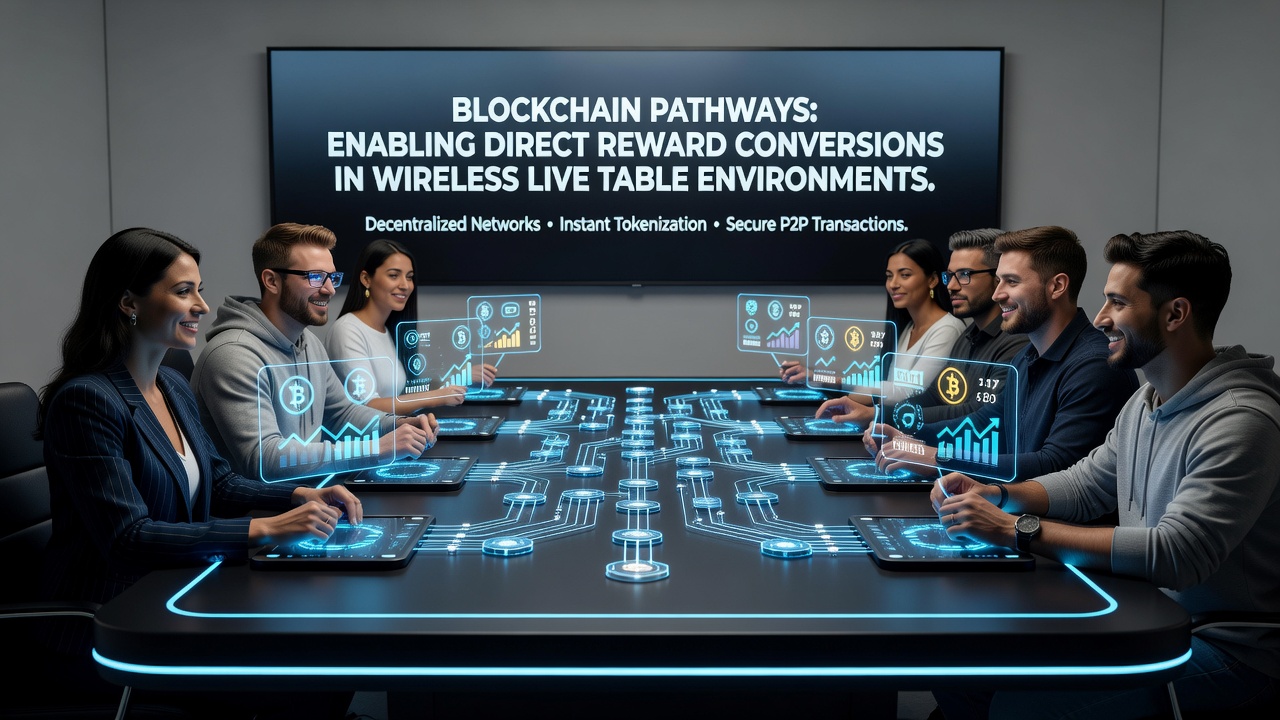
Geographic variations appear in implementation details, as operators in Australia have tied these systems to local regulatory frameworks managed by bodies like the Australian Communications and Media Authority, ensuring compliance while enabling cross-border reward movements. Meanwhile, developments in Canada highlight partnerships between provincial gaming commissions and blockchain developers that focus on player verification protocols integrated into wireless apps. Those tracking industry trends point out that by August 2026, several major platforms plan to expand these features to include tiered reward multipliers based on live table participation frequency, supported by updated ledger architectures that handle higher throughput without compromising verification accuracy.
Challenges and Technical Adaptations
Scalability remains a key consideration for wireless environments, where network congestion during high-traffic periods can affect transaction confirmations, yet solutions such as layer-two protocols have addressed this by batching multiple conversions into single on-chain records. Research indicates that error rates in reward calculations have fallen below 0.5 percent in optimized systems, according to reports from the Blockchain Gaming Alliance, which tracks adoption metrics across global operators. Players often encounter options to select preferred conversion currencies at the point of reward accrual, and this flexibility stems from oracle integrations that pull real-time exchange rates into the live table interface.
Regulatory landscapes continue to evolve, with oversight from diverse sources including the Nevada Gaming Control Board in the United States and the Malta Gaming Authority in Europe shaping how these pathways handle cross-jurisdictional transfers. Figures from industry analyses show that platforms incorporating geo-fencing alongside blockchain verification maintain compliance rates above 95 percent, while still permitting seamless user experiences on mobile devices during live sessions.
Future Developments and Broader Impacts
Expansion into additional game variants and device types is underway, with developers testing integrations that link wireless live table rewards to non-fungible tokens representing unique achievements, and these elements could appear in wider releases scheduled around August 2026. Academic papers from European universities have documented how such systems influence player behavior patterns, noting correlations between direct conversion options and extended session times without attributing causality. Industry organizations continue to publish guidelines that promote interoperability between different blockchain networks, allowing rewards earned on one platform to convert and transfer to another without intermediate steps.
Conclusion
Blockchain pathways continue to reshape reward handling in wireless live table environments through automated, verifiable processes that prioritize speed and security, supported by ongoing technical refinements and regulatory adaptations across multiple regions. Data from various sources underscores steady growth in adoption metrics, while implementations scheduled for 2026 signal further refinements in mobile accessibility and conversion efficiency.