Charting Token Velocity Patterns Across Decentralized Handheld Reel Networks to Refine Layered Reward Pathways
Written by Zara Fischer · Aug 2, 2026
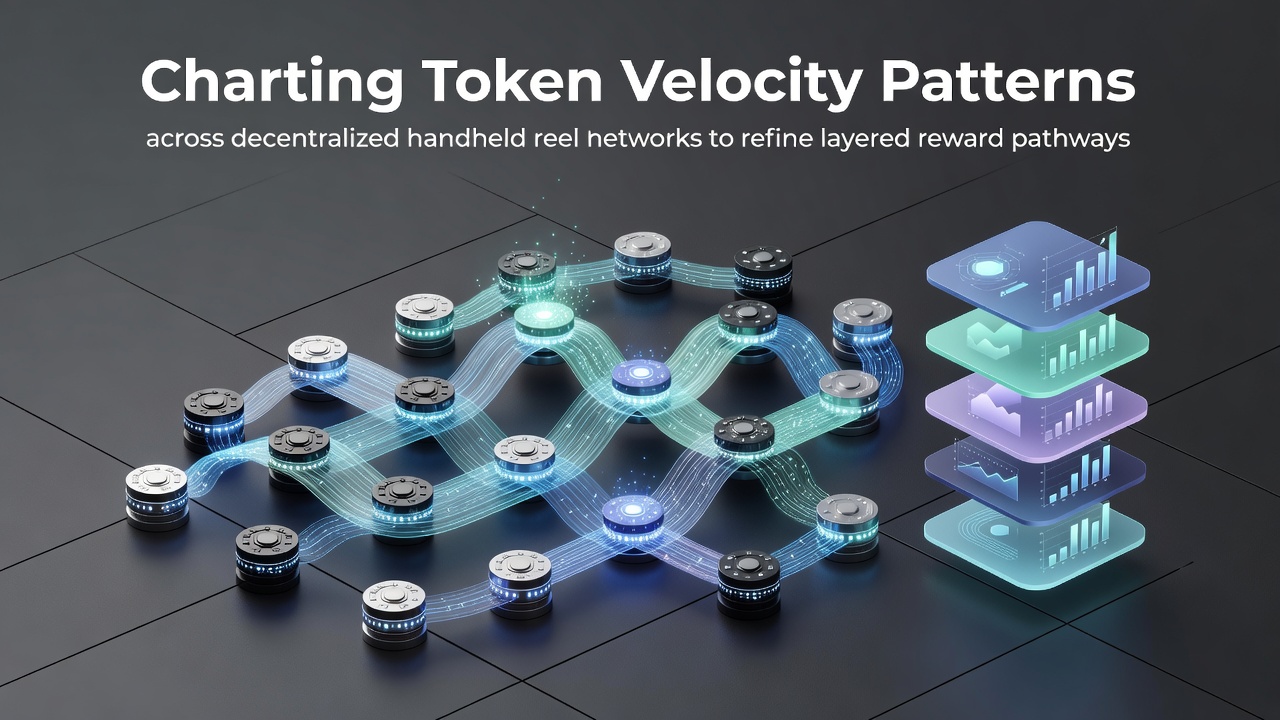
Charting Token Velocity Patterns Across Decentralized Handheld Reel Networks to Refine Layered Reward Pathways
Decentralized handheld reel networks operate through blockchain protocols that track token movements across mobile devices where players engage with reel-based games and table variants, and analysts chart token velocity to map how quickly digital assets circulate within these systems. Researchers examining transaction ledgers from multiple platforms note that velocity rates often spike during evening hours in August 2026 when handheld usage peaks across regions, while slower circulation appears during off-peak periods that correlate with reduced reward redemptions.
Measuring Velocity Across Network Layers
Token velocity calculation divides total transaction volume by the average token supply held in user wallets, and studies from distributed ledger analysis firms show this metric helps identify when reward pathways require adjustment to maintain balance between player incentives and network sustainability. Observers note that in networks supporting handheld reel mechanics, high velocity frequently coincides with rapid progression through initial reward tiers, whereas lower velocity patterns allow for accumulation in deeper loyalty layers that unlock larger prize pools.
Experts analyzing data sets from decentralized applications report that velocity tends to stabilize when layered reward structures incorporate time-based decay functions, and this stabilization occurs because tokens move through redemption cycles at predictable intervals rather than flooding the system during promotional surges. Data from portable device ecosystems reveals regional differences, with North American networks displaying higher average velocities compared to European counterparts where regulatory frameworks influence transaction frequency.
Patterns Observed in Handheld Reel Ecosystems
Patterns emerge when velocity charts overlay with reel outcome distributions because frequent small wins accelerate token circulation that feeds back into reward pathways, and researchers tracking these interactions across decentralized platforms find that seasonal events in mid-2026 amplified velocity spikes by up to thirty percent in select networks. Those who study these systems observe that handheld constraints such as battery life and connectivity affect velocity indirectly since interrupted sessions lead to delayed redemptions that alter overall flow rates.
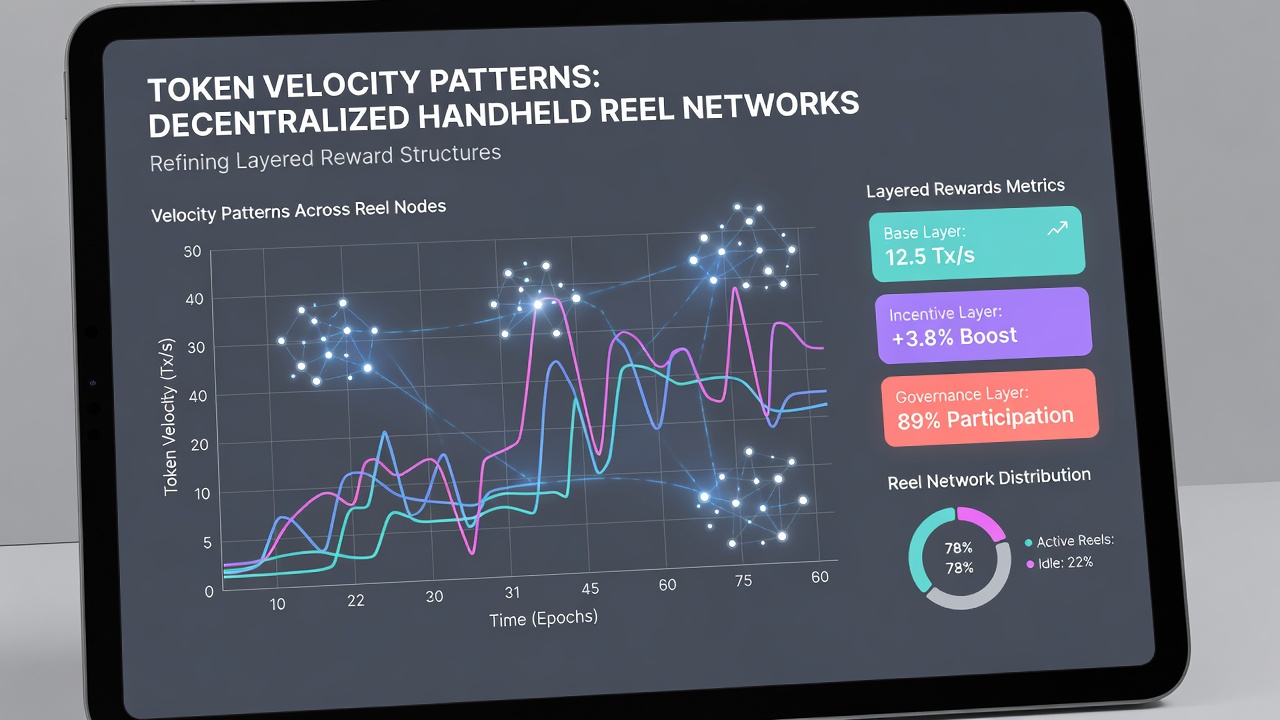
Layered reward pathways respond to velocity data through dynamic allocation algorithms that shift token distribution weights based on circulation speed, and industry reports indicate this approach prevents over-saturation in early tiers while bolstering retention in advanced layers. A University of Nevada study on blockchain gaming metrics documented how velocity-informed adjustments improved cross-platform redemption consistency for participants using multiple handheld devices.
Refining Reward Structures Through Velocity Analysis
Analysts apply velocity charts to refine reward pathways by identifying bottlenecks where tokens accumulate without sufficient circulation, and this process involves segmenting data into short-term and long-term velocity bands that correspond to different incentive layers. Evidence from network monitoring tools shows that platforms implementing velocity-responsive rewards experience steadier token flows because rewards scale according to observed circulation rather than fixed schedules.
Decentralized networks handling handheld reel interactions often integrate smart contract triggers that adjust reward multipliers when velocity exceeds defined thresholds, and those monitoring these contracts report reduced instances of token hoarding as a result. Geographic variations appear in the data, with Asian networks showing velocity patterns tied to mobile payment integrations that differ from patterns in Australian systems governed by separate oversight bodies.
Integration With Broader Gaming Ecosystems
Broader ecosystems connect velocity data from handheld reel networks to table game modules because cross-game token movements create composite circulation profiles that inform holistic reward refinements, and observers tracking these connections note improved pathway efficiency when velocity metrics span multiple game types. Research indicates that August 2026 updates to several decentralized protocols incorporated velocity dashboards accessible to network participants, enabling more transparent adjustments to layered incentives.
Token velocity charting also intersects with compliance requirements in various jurisdictions, where regulatory bodies examine circulation patterns to assess systemic risks, and a Canadian regulatory analysis highlighted how velocity monitoring supports responsible distribution of rewards across decentralized environments. Patterns observed through these combined lenses guide refinements that balance immediate player engagement with sustained network health.
Conclusion
Charting token velocity patterns provides measurable inputs for refining layered reward pathways in decentralized handheld reel networks, and ongoing analysis continues to shape how these systems allocate incentives based on circulation dynamics. Data collected through 2026 demonstrates consistent correlations between velocity trends and reward effectiveness across diverse device ecosystems and regional implementations.