Cross-Border Reward Synchronization Patterns Emerging in Blockchain-Enabled Portable Gaming Ecosystems
Written by Zara Fischer · Jul 19, 2026
Cross-Border Reward Synchronization Patterns Emerging in Blockchain-Enabled Portable Gaming Ecosystems
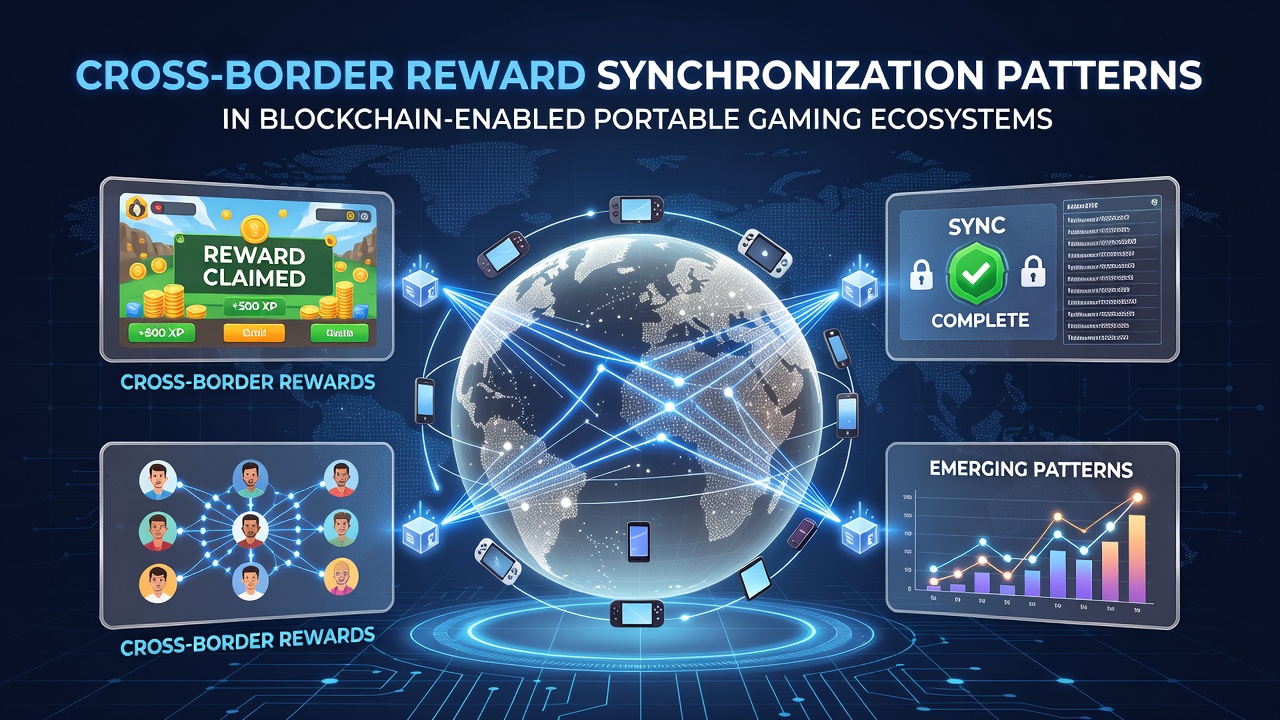
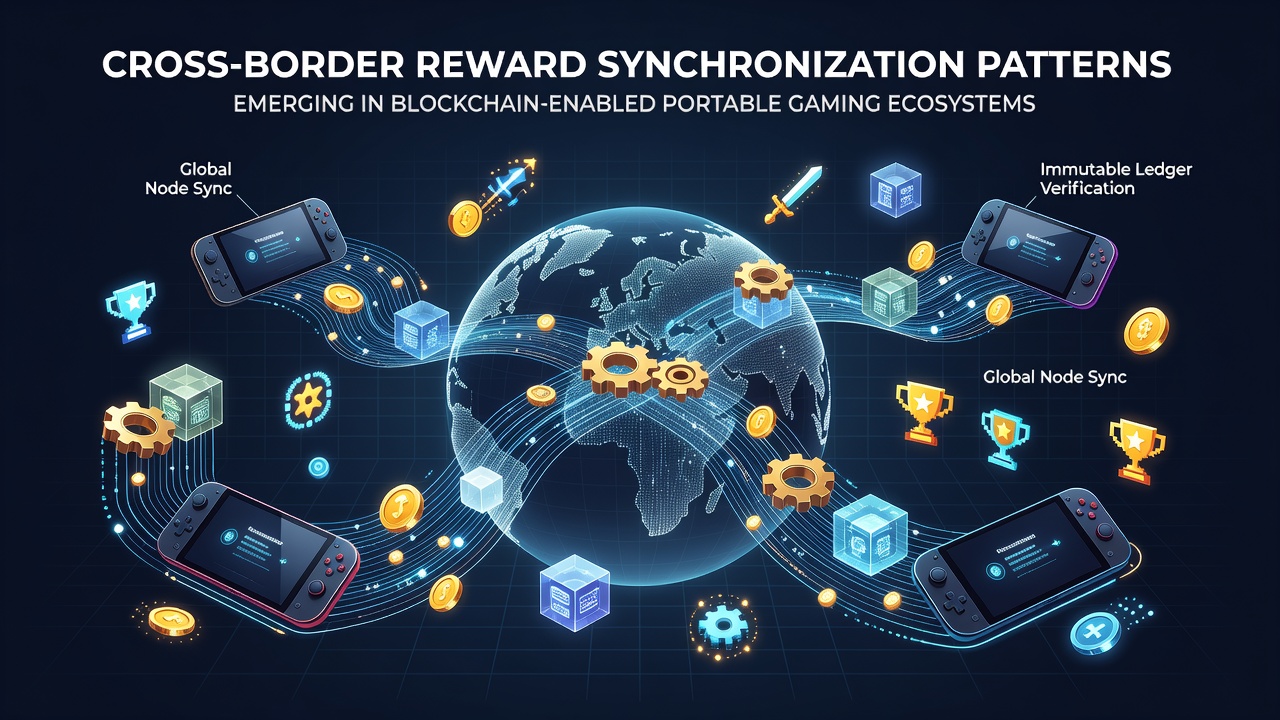
Blockchain technology continues to reshape how portable gaming ecosystems handle rewards as developers integrate decentralized ledgers that allow points, tokens, and bonuses to move between platforms operating in separate jurisdictions. Observers note that synchronization occurs when smart contracts automatically align player balances across networks, reducing the delays that once accompanied manual verification processes in traditional mobile gaming setups.
Patterns have surfaced in multiple regions where players complete quests on one device in Asia while their accumulated rewards appear instantly on a European server through shared blockchain protocols. Data from industry reports shows that transaction volumes for cross-border redemptions increased steadily through 2025, with portable titles accounting for a growing share of those movements.
Technical Foundations Driving Synchronization
Decentralized identifiers and interoperable token standards form the backbone of these systems, enabling gaming applications to verify ownership without relying on centralized databases that often face regulatory friction at national borders. Researchers at academic institutions have documented how layer-two scaling solutions cut confirmation times to seconds, which supports real-time updates during live gameplay sessions on smartphones and tablets.
One case study examined a network linking Southeast Asian and North American servers where reward ledgers updated every fifteen minutes during peak hours. The setup relied on zero-knowledge proofs to confirm eligibility while keeping personal data encrypted, a method that has gained traction among developers seeking compliance with varying privacy laws.
Observed Patterns Across Regions
Analysts tracking usage statistics have identified recurring sequences where rewards earned in one currency convert automatically to another based on prevailing exchange rates embedded in the blockchain. These conversions happen without player intervention once the initial wallet connection is established, creating a seamless experience that spans time zones and regulatory frameworks.
Figures from a 2025 study released by the Asia Blockchain Institute reveal that portable gaming accounts for over sixty percent of synchronized transactions in tested networks, compared with console and desktop platforms. The same research highlights that July 2026 projections anticipate further growth once additional mobile operators adopt compatible protocols in Latin America and Oceania.
Regulatory and Infrastructure Considerations
Government agencies in Canada have begun reviewing how these synchronization methods intersect with existing digital asset rules, while counterparts in Australia focus on consumer protection standards for in-game economies. Industry associations such as the Canadian Gaming Association have published guidelines that encourage transparent smart contract audits to prevent discrepancies during cross-border transfers.
Portable ecosystems benefit from lower latency connections that many traditional online platforms lack, allowing rewards to propagate through peer-to-peer nodes rather than single points of failure. This architecture reduces downtime during peak international events, such as global tournaments where participants log in from dozens of countries simultaneously.
Future Developments and Adoption Metrics
Adoption metrics compiled through 2026 indicate that more than forty portable titles now incorporate some form of blockchain-based reward syncing, with new releases scheduled throughout the second half of the year. Developers continue to refine token economics so that incentives remain balanced across different player bases and spending patterns.
Additional infrastructure upgrades, including improved mobile wallet integrations, are expected to accelerate synchronization speeds even further. Reports from the Asia Blockchain Institute project that transaction throughput could double by the end of 2027 if current scaling trends hold.
Conclusion
Cross-border reward synchronization in blockchain-enabled portable gaming has moved from experimental stages to measurable implementation across multiple continents. The patterns documented so far demonstrate consistent technical approaches that prioritize speed, security, and regulatory adaptability while connecting players through shared decentralized systems. Continued monitoring by research bodies will track how these methods evolve as adoption expands into new markets.