Cross-Platform Asset Bridges: How Blockchain Wallets Streamline Free Spin Conversions Into Tiered Rewards Across Mobile Slot And Table Networks
Written by Sage Flores · Jul 17, 2026
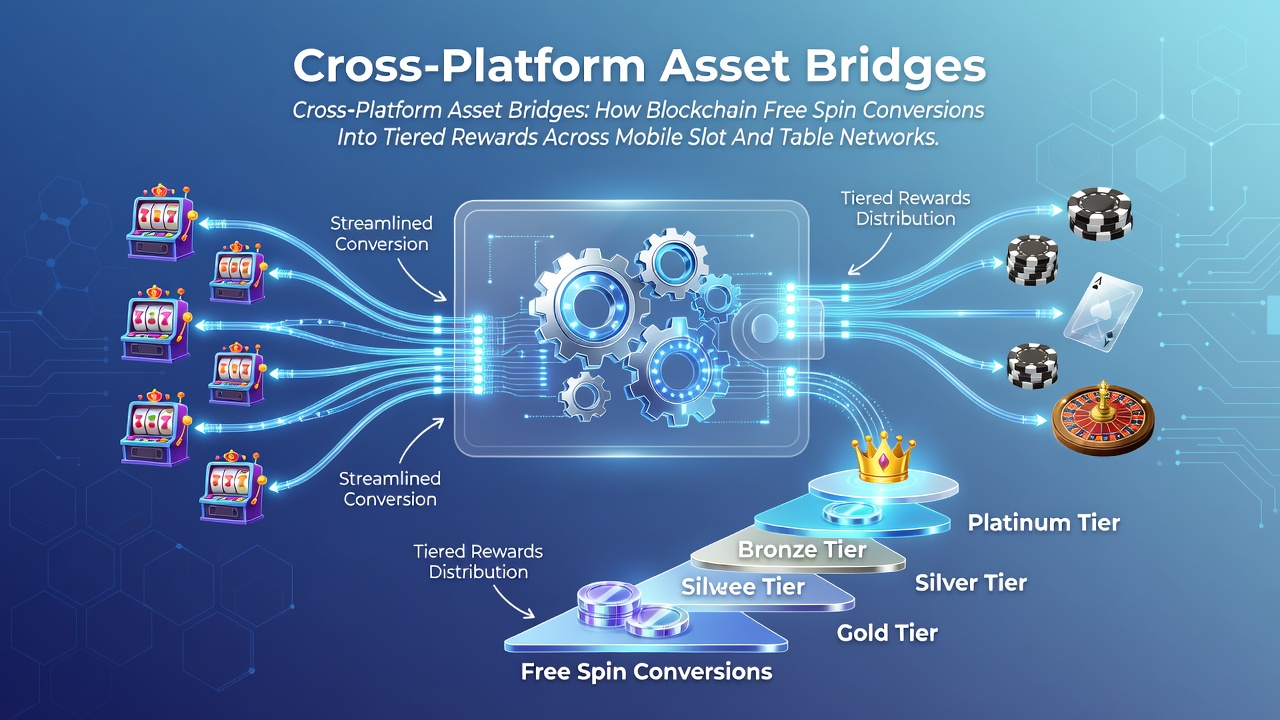
Cross-Platform Asset Bridges: How Blockchain Wallets Streamline Free Spin Conversions Into Tiered Rewards Across Mobile Slot And Table Networks
Blockchain wallets serve as the central mechanism for converting free spins earned on one mobile platform into rewards that carry value across slot and table game ecosystems, and this process relies on asset bridges that operate without requiring direct platform-to-platform transfers. These bridges function by locking tokens on a source chain while minting equivalent representations on the destination chain, which allows players to move promotional credits between networks that would otherwise remain isolated. Data from multiple gaming technology providers indicates that such conversions occur in real time when wallet applications detect eligible free spin balances and initiate bridge protocols automatically.
Mechanics of Asset Bridges in Mobile Gaming Environments
Mobile slot networks generate free spins as non-transferable credits tied to specific operators, yet blockchain integration changes this limitation through standardized token representations that wallets recognize across ecosystems. When a player completes a qualifying action in a slot game the resulting spin credit converts into a bridge-compatible token that carries metadata about its origin and value tier. Table game networks then accept these tokens because the bridge protocol verifies their authenticity through smart contract validation rather than relying on operator-specific ledgers. This verification step eliminates the need for manual redemption processes that previously required players to contact support teams or wait through approval cycles lasting multiple days.
Wallets equipped with cross-chain functionality handle the technical routing, and they select the most efficient bridge based on current network congestion and fee structures. Observers note that players who maintain active wallet connections across multiple mobile applications experience fewer interruptions when switching between slot sessions and live table environments. The underlying smart contracts enforce conversion rates that reflect the original promotional value while accounting for any network fees incurred during the bridge operation.
Conversion Pathways and Tiered Reward Structures
Free spin conversions follow defined pathways that map promotional credits to tiered reward levels based on accumulated volume and consistency across platforms. A player who converts spins from a mobile slot session into table game credits may qualify for bronze, silver, or gold tiers depending on total bridged volume within a defined period. These tiers unlock additional benefits such as increased payout multipliers or access to exclusive game variants that remain unavailable at lower levels. Research conducted by gaming analytics firms shows that conversion activity tends to cluster around promotional events where multiple networks release synchronized free spin offers.
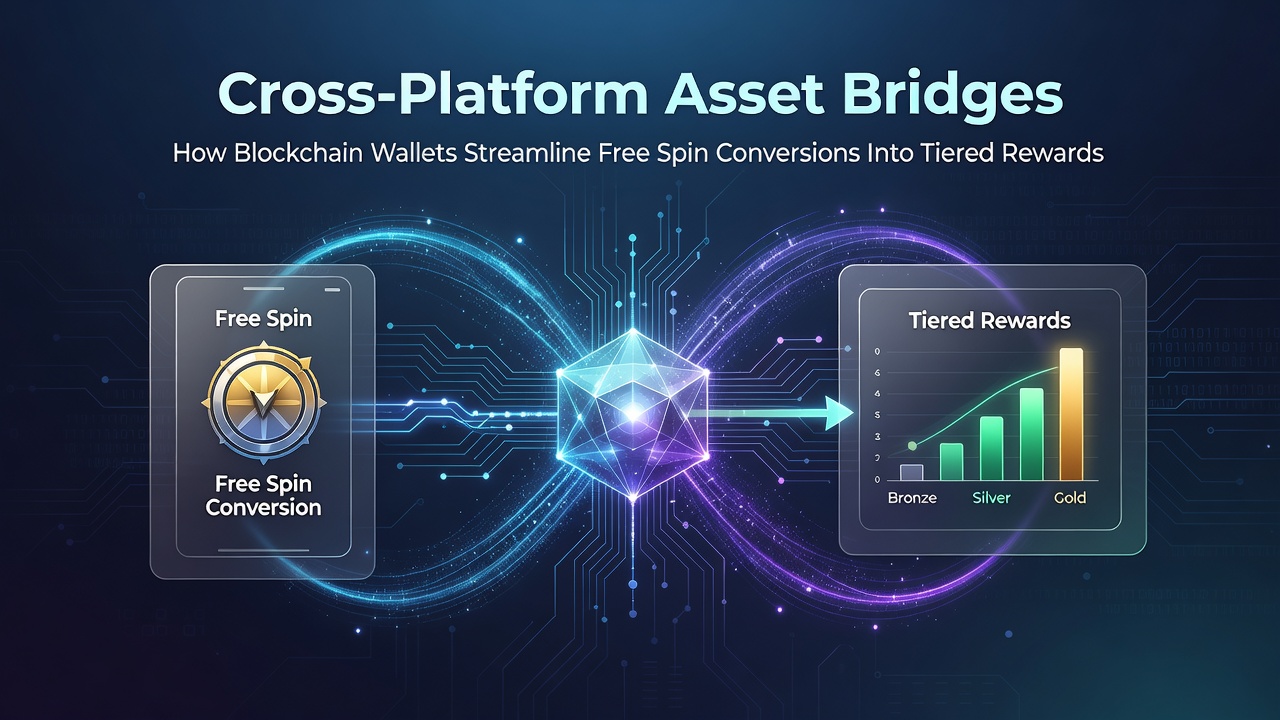
Tier progression data collected from integrated networks reveals that players who utilize bridge functions reach higher reward levels at faster rates than those who remain within single-platform environments. The wallet interface displays real-time tier status and projected conversion outcomes before any transaction commits, which reduces uncertainty during the process. Network operators that participate in shared bridge protocols report higher retention metrics because players maintain engagement across both slot and table offerings rather than concentrating activity in one category.
Regulatory Developments and Network Expansion in 2026
Regulatory frameworks continue to evolve around blockchain-enabled gaming features, and several jurisdictions have introduced guidelines that address cross-platform asset movement. In July 2026 new compliance standards are scheduled to take effect in certain markets that require enhanced transparency reporting for bridged promotional assets. These standards focus on tracking the origin of converted credits and ensuring that tiered rewards do not circumvent existing spending limits or age verification requirements. Operators have responded by updating their wallet integration protocols to include automated compliance checks that flag transactions exceeding defined thresholds.
Industry associations such as the New Jersey Division of Gaming Enforcement have published technical specifications that outline acceptable bridge architectures for licensed platforms. Similar guidance from Australian regulatory bodies emphasizes consumer protection measures during asset conversions, including clear disclosure of any fees or value adjustments that occur during bridging. These coordinated efforts aim to standardize practices across regions while preserving the operational flexibility that allows networks to expand their mobile offerings.
Technical Integration Across Slot and Table Platforms
Slot and table game networks employ different game engines and payout structures, yet asset bridges normalize the value of promotional credits so that conversions remain consistent regardless of the underlying mechanics. A free spin earned on a five-reel mobile slot converts into table credit value through a standardized exchange rate embedded in the bridge contract, and this rate updates periodically based on aggregated player activity across participating networks. Wallet applications pull live rate information directly from oracle services that aggregate data from multiple operators, which prevents discrepancies that could arise from static pricing models.
Developers have implemented multi-signature requirements for larger conversions to add security layers without introducing significant delays for routine transactions. Players who frequently move assets between slot and table environments benefit from these streamlined processes because the wallet handles authentication and routing without requiring repeated manual confirmations. Figures from platform analytics indicate that average session lengths increase when players maintain continuous reward progression across game categories through bridge functionality.
Conclusion
Cross-platform asset bridges represent a structural shift in how promotional credits flow through mobile gaming networks, and blockchain wallets provide the technical foundation that makes these conversions reliable and scalable. The combination of standardized token representations, automated tier tracking, and regulatory-compliant protocols allows networks to offer interconnected experiences that were previously fragmented across isolated platforms. As more operators adopt these bridge mechanisms the distinction between slot and table environments continues to blur for players who maintain active wallet connections. Data collected through 2026 will likely reveal further patterns in how conversion volume correlates with overall engagement across both game types.