Decoding Symbol Alignment Frequencies in Digital Reel Systems and Their Connection to Tiered Reward Unlocks on Portable Virtual Asset Platforms
Written by Zoe Roth · Jul 31, 2026
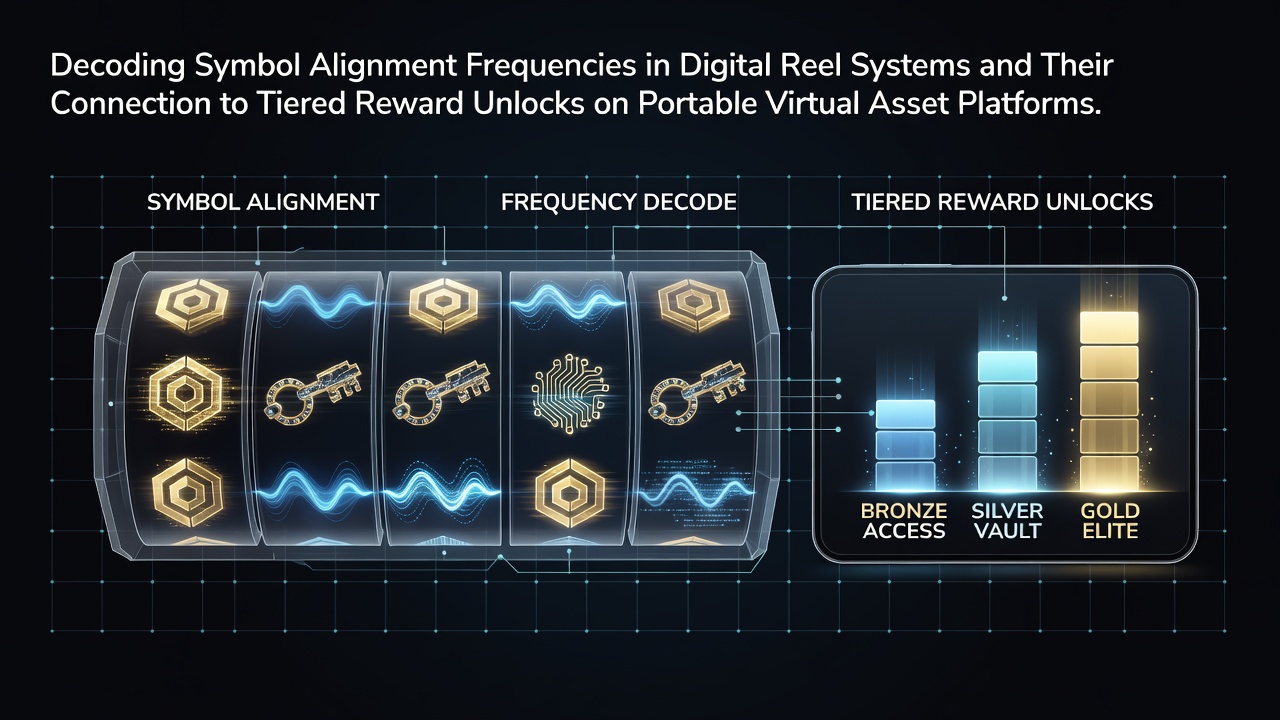
Decoding Symbol Alignment Frequencies in Digital Reel Systems and Their Connection to Tiered Reward Unlocks on Portable Virtual Asset Platforms
Digital reel systems operate through algorithmic frameworks that determine symbol alignment frequencies based on weighted probability tables and random number generators certified under strict technical standards, while tiered reward unlocks on portable virtual asset platforms connect directly to cumulative play metrics derived from those same alignment patterns.
Researchers who examine these mechanisms note that each reel position carries independent probability weights for symbols, so common alignments such as three matching icons appear more frequently than scattered premium combinations, and operators adjust these weights to maintain consistent return-to-player ratios across sessions.
Mechanics of Symbol Alignment in Digital Reels
Modern digital reel platforms calculate alignment frequencies using pseudo-random number generators that map to virtual reel strips containing multiple instances of each symbol, and the resulting hit rates feed into backend analytics that track player progression toward higher loyalty tiers.
Engineers design the strips so low-value symbols occupy larger segments of the virtual reel, which increases their alignment frequency during standard play, whereas high-value symbols sit on narrower segments that trigger less often but contribute larger payouts when they land in sequence.
Those who analyze reel behavior across thousands of spins find that frequency distributions follow predictable statistical curves, and these curves allow platforms to calibrate bonus triggers that advance users through reward tiers without altering the underlying random outcomes.
Integration with Tiered Reward Structures
Portable virtual asset platforms link alignment frequency data to tier progression by recording every spin outcome in user profiles, then mapping total alignment events to unlock thresholds that grant escalating benefits such as enhanced virtual asset multipliers or exclusive game modes.
Platform operators set tier requirements so that players reaching intermediate levels have demonstrated a statistically significant volume of symbol alignments, which in turn signals sustained engagement that justifies the release of additional features or asset bonuses.
Data Patterns Observed in Mobile Ecosystems
Analytics teams monitoring portable systems report that alignment frequency logs correlate strongly with tier advancement speed, because repeated low-tier alignments accumulate the points needed to cross into premium reward brackets where virtual asset redemptions become available at improved rates.

Studies from the Nevada Gaming Control Board on electronic gaming device standards illustrate how certified random generators maintain consistent symbol distributions even when reward tiers adjust visible payout tables, and similar technical audits appear in reports from Australian research institutions tracking mobile gaming platforms.
Regulatory and Technical Standards in 2026
By July 2026 several jurisdictions plan to enforce updated technical requirements for virtual asset integration in portable gaming, requiring explicit documentation of how alignment frequencies influence tiered unlock algorithms so regulators can verify fairness across different device types.
These forthcoming rules build on existing frameworks that demand independent laboratory testing of reel strip configurations and random number generator outputs, ensuring that reward progression remains tied solely to verifiable play data rather than hidden weighting changes.
Industry groups such as the International Association of Gaming Regulators have circulated draft guidelines that emphasize transparent reporting of frequency-to-tier mappings, and platform developers already incorporate these considerations into their certification pipelines ahead of the summer deadline.
Cross-Platform Data Flows and Asset Tracking
Virtual asset platforms synchronize alignment frequency records across mobile devices through encrypted ledgers that preserve the sequence of reel outcomes while enabling seamless tier status transfers when users switch hardware or operating systems.
This synchronization allows reward systems to maintain continuity, so a player who accumulates sufficient alignment events on one device continues progressing toward the next tier on another without resetting the underlying frequency metrics.
Technical specifications published by standards bodies require that these data flows undergo regular integrity checks, and the resulting audit trails support compliance verification for both gaming authorities and virtual asset custodians.
Conclusion
Symbol alignment frequencies in digital reel systems provide the measurable foundation upon which portable virtual asset platforms construct their tiered reward mechanisms, and ongoing regulatory developments scheduled for July 2026 will further formalize the technical linkages between these components. Observers tracking the sector note that continued certification of random generators combined with transparent frequency reporting supports consistent player progression across mobile environments.