How Interconnected Gaming Networks Are Redefining Access to High-Value Prize Pools for Dedicated Slot Participants
Written by Zoe Roth · May 20, 2026
How Interconnected Gaming Networks Are Redefining Access to High-Value Prize Pools for Dedicated Slot Participants
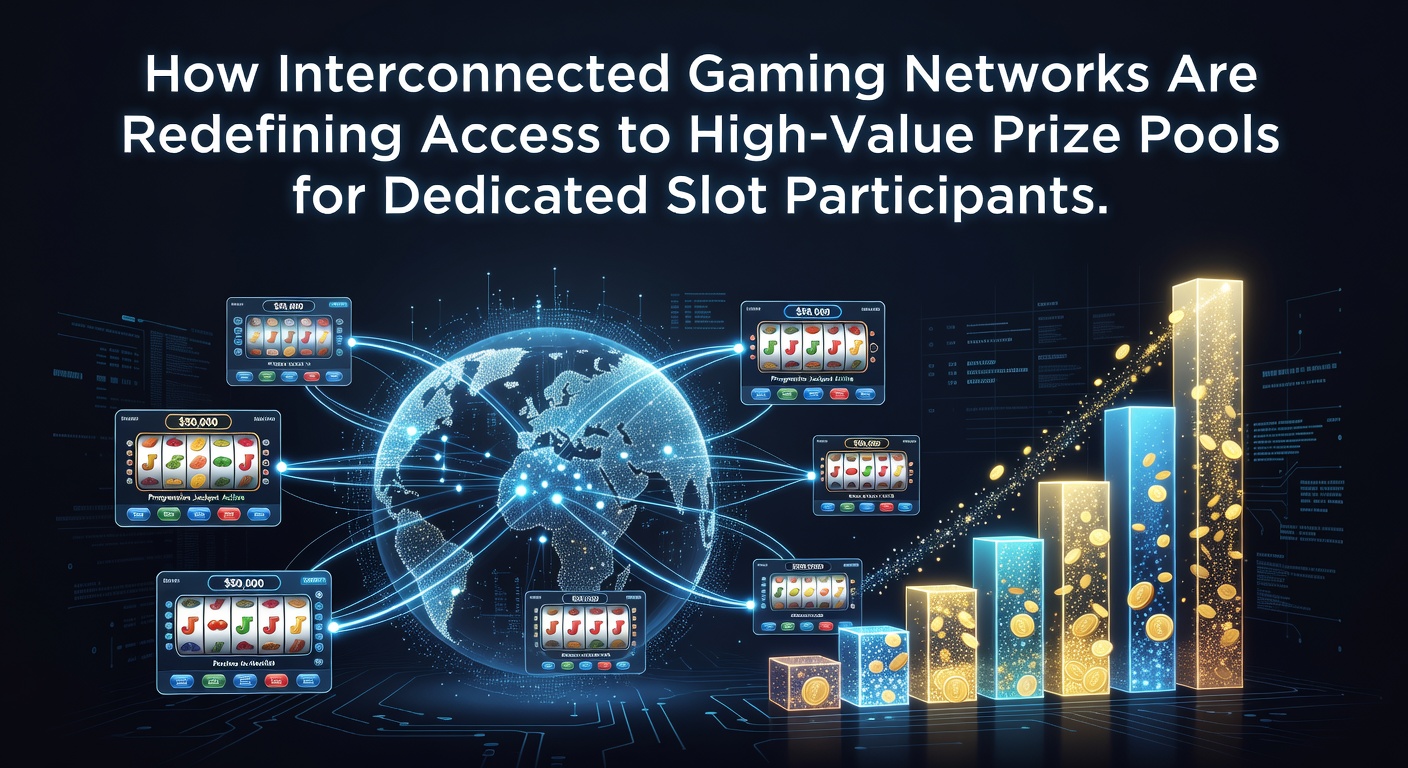
Interconnected gaming networks link slot machines across casinos, online platforms, and sometimes entire regions so that contributions from thousands of players feed into shared progressive prize pools. These systems allow dedicated slot participants to compete for jackpots that accumulate far more rapidly than standalone machines can generate on their own. Data from industry tracking services shows that wide-area progressive networks now account for a growing share of total slot revenue in regulated markets, with some pools exceeding tens of millions of dollars before they hit.
Mechanics Behind Networked Prize Growth
Each wager on a connected machine routes a small percentage into a central pool managed by the network operator or a consortium of casinos. When the jackpot triggers, the winner receives the accumulated amount and the pool resets to a seed value, after which contributions begin again. Observers note that this structure creates larger and more frequent big-win events than isolated machines because player volume multiplies across locations. Research from the University of Nevada, Las Vegas International Gaming Institute indicates that average progressive jackpots on networked systems reach payout thresholds 30 to 40 percent faster than comparable non-networked titles, simply because the contribution base expands geographically and digitally.
Player Access Through Loyalty and Digital Integration
Dedicated participants gain entry to these high-value pools via loyalty programs that track play across both land-based and online channels. Many networks now issue a single player account that follows activity whether someone sits at a physical machine or logs into a partnered mobile app. This integration means a player who qualifies for a VIP tier at one property automatically carries that status to every connected venue, unlocking higher contribution rates or exclusive pool access. In May 2026 several major operators plan to roll out unified digital wallets that further streamline transfers between physical and virtual play, allowing accumulated loyalty points to convert directly into additional wagers on progressive titles.
Those who study participation patterns report that players enrolled in multi-property loyalty schemes place roughly twice as many wagers on progressive machines compared with non-members. The increased volume stems from the perception that every spin carries a realistic shot at a life-changing sum because the pool receives contributions from hundreds of thousands of daily wagers rather than a few hundred at a single site.
Regulatory and Technological Shifts Supporting Expansion
Regulators in multiple jurisdictions have updated technical standards to accommodate real-time pool synchronization while maintaining strict audit trails. Nevada and New Jersey, for instance, require independent testing labs to certify that network connections cannot be manipulated and that seed amounts meet minimum thresholds before new machines join an existing pool. These rules have encouraged operators to expand connections rather than launch isolated progressives, because compliance costs spread across a larger network become more manageable.

What's interesting is how cloud-based jackpot controllers now allow operators in different states to link machines without physical cabling, provided each jurisdiction approves the data-sharing agreement. Figures released by the American Gaming Association reveal that the number of licensed wide-area progressive units grew by 18 percent between 2023 and 2025, with the steepest increases occurring in markets that adopted uniform technical standards for remote monitoring.
Geographic and Platform Diversification
Networks no longer confine themselves to one state or country. Several operators have secured agreements that let players in Atlantic City contribute to the same pool as participants in Las Vegas or even select international sites where local laws permit cross-border pooling. Dedicated slot enthusiasts therefore encounter the same headline jackpot amount whether they play on a casino floor, through a state-regulated online platform, or via an approved mobile application. This convergence reduces the advantage once held by players who lived near major casino clusters, because distance no longer limits access to the largest available pools.
Case examples include a Midwest tribal consortium that joined an existing East Coast network in early 2025, instantly exposing its members to a progressive that had previously been unavailable in their region. Within six months the combined contribution volume pushed the pool past previous record levels, triggering a payout that exceeded $12 million. Similar partnerships continue to form as smaller operators recognize that linking with established networks delivers higher prize visibility without the capital outlay required to seed and manage an independent progressive.
Conclusion
Interconnected gaming networks have shifted the economics of slot play by concentrating contributions from wide player bases into single, highly visible prize pools. Dedicated participants benefit through loyalty structures that grant consistent access regardless of physical location, while regulators and operators refine technical and compliance frameworks to support continued expansion. As synchronization technology matures and additional jurisdictions approve cross-platform linkages, the scale of available jackpots and the pathways to reach them will continue to evolve along measurable, data-driven lines rather than remaining confined to individual casino floors.