Progressive Status Elevation Techniques in App-Based Crypto Gaming Through Zero-Cost Spin Incentives
Written by Finley Keller · Jul 1, 2026
Progressive Status Elevation Techniques in App-Based Crypto Gaming Through Zero-Cost Spin Incentives
App-based crypto gaming has integrated zero-cost spin incentives as core tools for advancing through loyalty structures, where players accumulate points and unlock higher tiers without initial deposits. These mechanisms operate across mobile platforms that accept digital currencies, allowing participants to engage with slot and table game ecosystems while tracking progress toward elevated status levels. Observers note that such incentives function through automated reward systems that convert spin outcomes into loyalty metrics, often tied to blockchain ledgers for transparent verification.
Core Mechanics of Zero-Cost Spins in Crypto Environments
Zero-cost spins grant users a set number of rotations on designated games, funded by platform operators rather than player wallets, and they contribute directly to status metrics like play volume or achievement milestones. Researchers have documented how these spins integrate with crypto wallets to record activity on decentralized networks, enabling seamless progression across multiple applications. Data from industry analyses shows that participants who complete daily spin sequences often reach intermediate tiers faster than those relying solely on paid sessions, because the incentives bypass traditional deposit requirements while still generating verifiable play data.
Platforms structure these incentives with time-limited availability windows, encouraging consistent logins that compound point totals over successive days. According to findings from the Nevada Gaming Control Board reports on emerging digital formats, similar reward pathways have expanded in regulated markets where crypto integration aligns with compliance standards. Players navigate these systems by selecting games that assign higher point multipliers to free spin results, thereby accelerating elevation without additional capital outlay.
Status Tier Progression Pathways
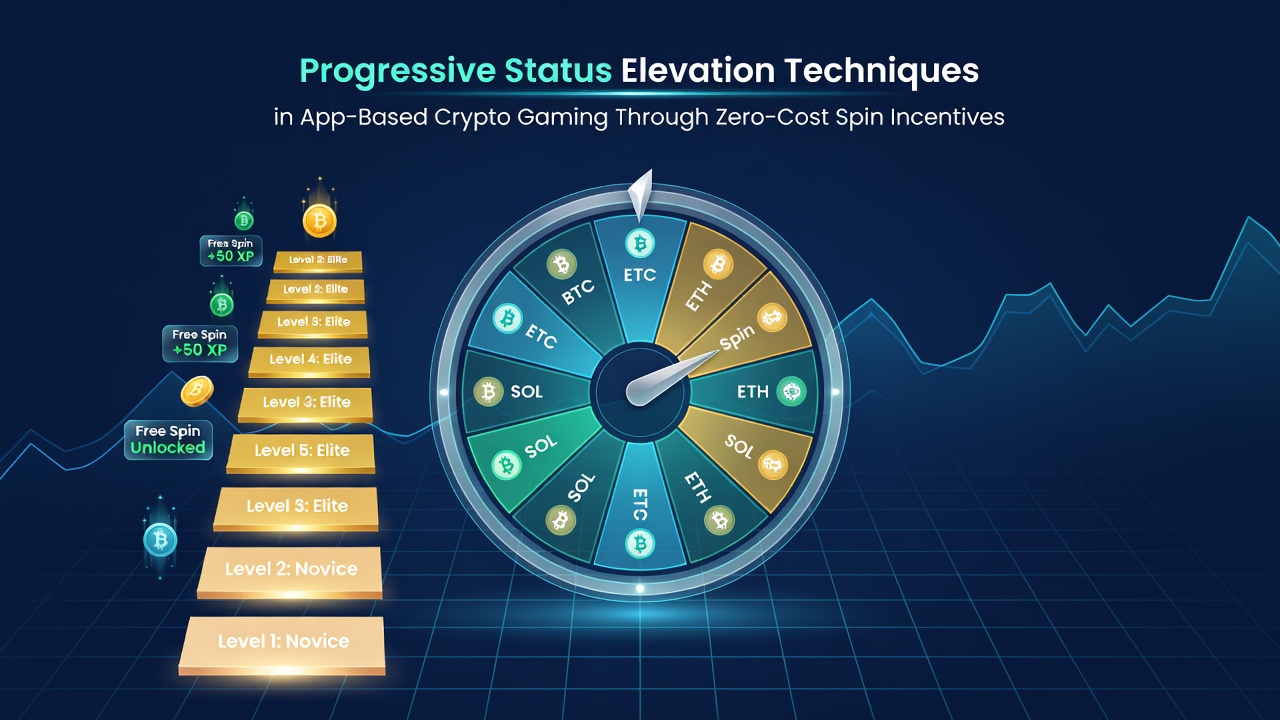
Tier systems in these apps typically feature five to seven graduated levels, each unlocking benefits such as increased spin allocations, cashback percentages, or exclusive game access. Zero-cost incentives feed into these ladders by awarding base points per completed spin plus bonus multipliers when outcomes hit specific thresholds. Those who've studied mobile crypto patterns indicate that combining spins across linked accounts on interconnected networks can consolidate progress, as cross-platform ledgers allow points to transfer between affiliated titles.
One documented approach involves prioritizing games with elevated volatility during incentive periods, since larger wins translate into greater point yields that push users toward the next tier boundary. Evidence from platform usage statistics reveals that consistent application of this selection method results in measurable rank advancement within weekly cycles. July 2026 projections from several app developers point to expanded spin incentive pools as new blockchain protocols come online, potentially broadening access to higher tiers for users who maintain regular engagement.
Integration with Mobile App Features
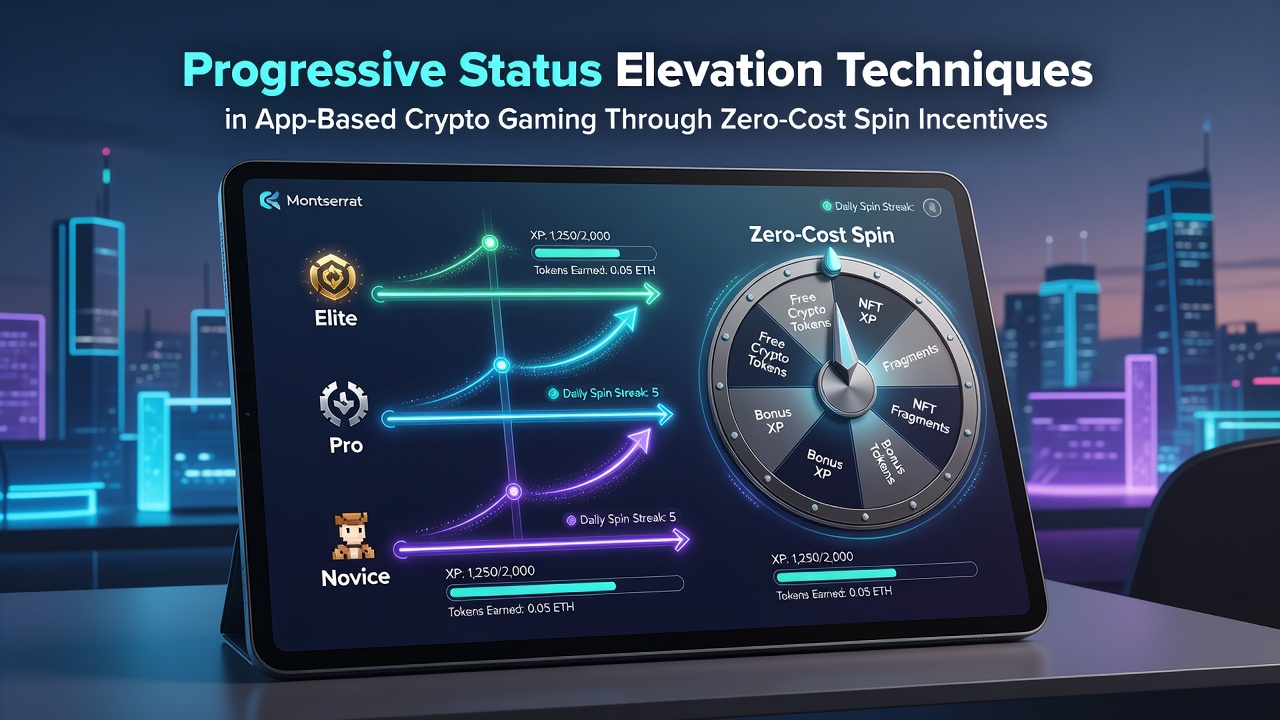
Mobile interfaces display real-time status dashboards that update after each zero-cost spin, highlighting remaining spins needed to clear the current tier. Push notifications alert users to fresh incentive drops, which operators time to coincide with peak activity hours across global regions. Studies conducted by academic groups at institutions tracking digital entertainment trends demonstrate that apps incorporating these alerts see higher retention rates among participants moving through mid-level tiers. The reality is that seamless crypto transaction processing within these apps eliminates delays between spin completion and point crediting, maintaining momentum in status elevation.
Advanced techniques include timing spin usage around promotional events where platforms temporarily boost point rates on zero-cost rounds. Observers tracking user behavior across decentralized platforms have recorded instances where coordinated participation in such events allowed individuals to leap multiple tiers in a single session block. These patterns rely on the underlying smart contract frameworks that automatically validate and distribute rewards without manual intervention.
Regulatory and Platform Developments Through 2026
Regulatory bodies in multiple jurisdictions have begun examining how zero-cost incentives intersect with responsible gaming protocols, particularly as app-based crypto systems scale. Figures from teh Australian Communications and Media Authority highlight increasing oversight on digital reward structures to ensure transparency in point-to-tier conversions. Developers respond by embedding audit trails within blockchain records, making progression histories accessible for compliance reviews.
By July 2026 several major operators plan to roll out enhanced incentive frameworks that tie spin outcomes more explicitly to tier benefits, drawing on data from prior usage cycles. Industry organizations such as the European Gaming and Betting Association have published preliminary guidelines encouraging standardized reporting on incentive effectiveness across crypto-enabled apps. Those monitoring these shifts note that platforms adopting clearer disclosure around zero-cost mechanics tend to retain users longer as they navigate progressive elevation sequences.
Conclusion
Zero-cost spin incentives continue to serve as foundational elements in app-based crypto gaming for driving tier advancement through structured point accumulation. Platform architectures that link these incentives to blockchain verification provide users with clear pathways toward elevated status, supported by mobile features that track and reward consistent participation. As developments unfold into 2026, the integration of these techniques with evolving regulatory frameworks shapes how players access higher levels across interconnected gaming environments.