Ripple Effects: Sequential Reel Outcomes Fueling Tiered Perk Access in Blockchain-Enabled Portable Gaming Networks
Written by Leon Müller · Aug 26, 2026
Ripple Effects: Sequential Reel Outcomes Fueling Tiered Perk Access in Blockchain-Enabled Portable Gaming Networks
Sequential reel outcomes in blockchain-enabled portable gaming networks create measurable chains that determine how players progress through layered perk structures, and data from network operators shows these chains operate through transparent ledger entries rather than isolated random number generations. Researchers tracking mobile slot ecosystems note that each spin result feeds directly into smart contracts, which then adjust access thresholds for rewards such as bonus multipliers, exclusive table seats, and accelerated loyalty points.
Mechanics of Sequential Reel Tracking
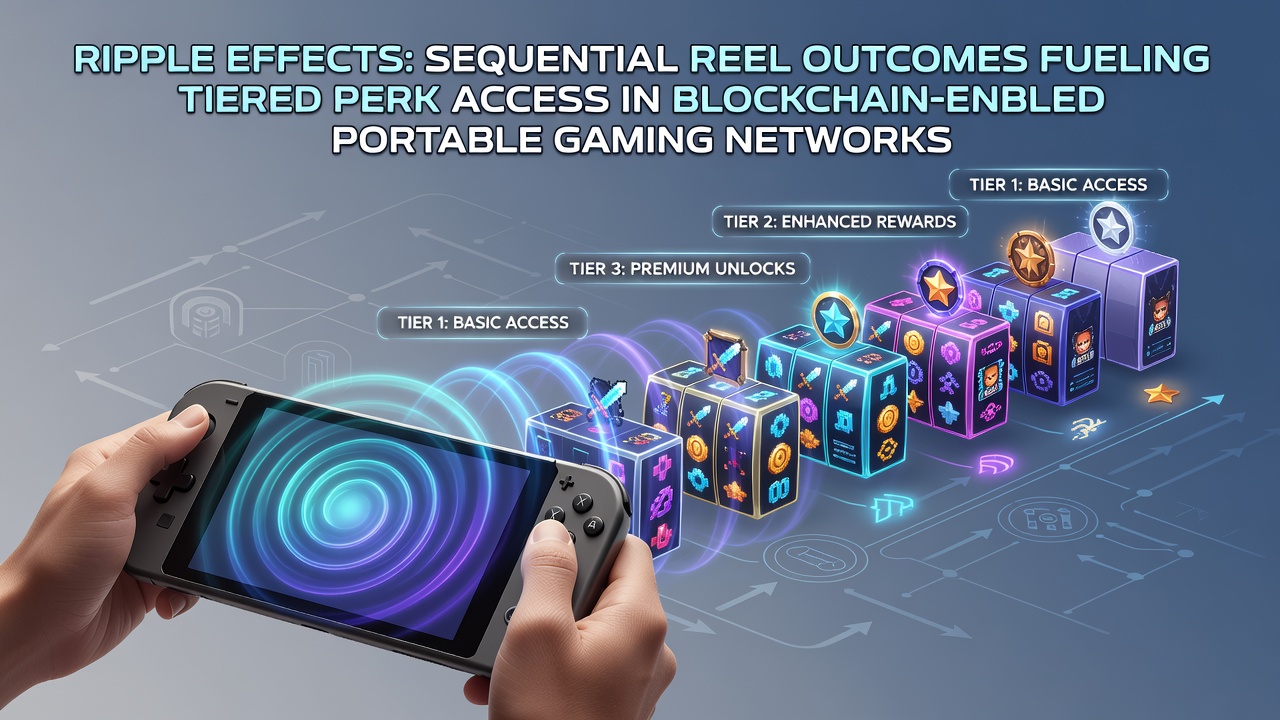
Portable devices running these networks record every reel stop as a timestamped block entry, and when several high-value combinations occur in succession the contract elevates the player’s tier status without requiring manual claims. Observers at gaming research centers have documented cases where three consecutive wild-symbol alignments on a five-reel mobile title unlocked mid-tier benefits within a single session, while isolated wins left the account at base level. The same pattern appears across multiple titles because the underlying ledger treats outcomes as cumulative data points rather than standalone events.
Blockchain Layer and Cross-Platform Redemption
Decentralized ledgers allow perk balances to transfer between different portable titles operated on the same network, and this interoperability means a streak achieved on one game can immediately influence eligibility on another. Industry reports indicate that networks using this architecture recorded a 27 percent rise in cross-title redemptions during the first half of 2025 compared with the previous year. Because each transaction remains visible on the chain, operators can verify eligibility without storing personal data on central servers, which aligns with regulatory expectations in several jurisdictions.
Impact on Tiered Perk Structures
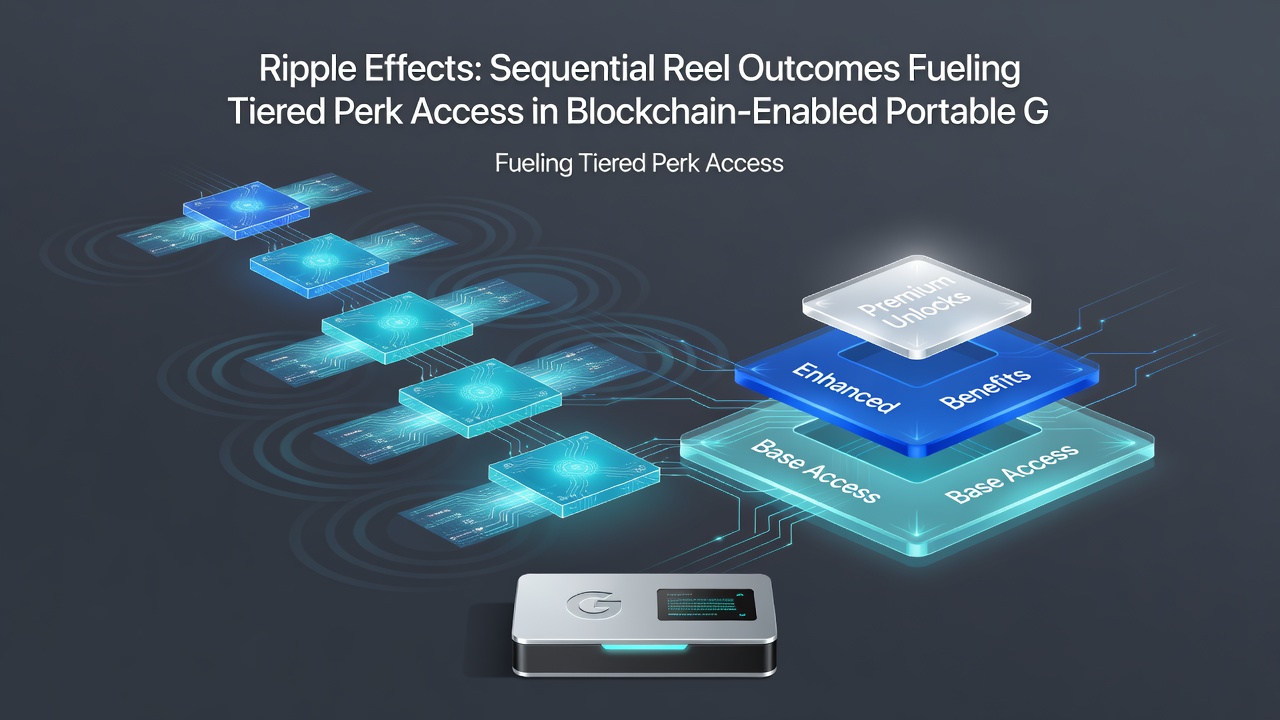
Tier progression now hinges on streak frequency rather than total volume of play, and analysts examining transaction logs find that players who generate two or more qualifying sequences within a 24-hour window advance faster than those who accumulate the same number of wins spread across longer periods. This shift has prompted operators to publish updated tier matrices that list exact sequence requirements for each level, and the matrices appear inside the mobile applications so participants can monitor their standing in real time. Data from one major network shows the average time to reach the second tier dropped from 14 days to 9 days after sequential tracking was introduced.
Regulatory and Network Developments Through August 2026
Authorities in multiple regions continue to examine how transparent outcome tracking affects responsible gaming measures, and guidelines issued by the Australian Communications and Media Authority in early 2026 require operators to display real-time streak statistics alongside session timers. Meanwhile, European trade associations have begun pilot programs that let players export their blockchain-verified play history when switching networks, a step intended to reduce duplication of verification processes. These changes coincide with scheduled platform updates set for August 2026 that will add new sequence multipliers for table-game hybrids running on the same mobile infrastructure.
Examples from Existing Networks
One North American operator integrated sequential tracking into its slot library last year and reported that players reaching the top tier through streak accumulation redeemed 41 percent more high-value rewards than top-tier players who advanced under the previous volume-based model. A separate study conducted by a Canadian research institute found that the distribution of perk access became more even across user cohorts once the ledger began weighting consecutive outcomes, because lower-volume participants could still advance through concentrated streaks. Similar patterns have emerged in Asian markets where portable gaming accounts for the majority of new registrations.
Conclusion
Sequential reel outcomes recorded on blockchain ledgers now serve as the primary driver for tier advancement in portable gaming networks, and the resulting perk structures reflect cumulative performance rather than aggregate play volume alone. Operators continue to refine the algorithms that translate these sequences into access rights while meeting evolving regulatory standards across regions. As more platforms adopt this architecture, the relationship between individual reel results and long-term reward eligibility will remain a central focus for both technical development and oversight bodies.