Roanoke Lawmakers Hold Firm Against Casino Proposal Near Berglund Center Amid City Lobbying Push
Written by Finley Keller · May 8, 2026

Roanoke Lawmakers Hold Firm Against Casino Proposal Near Berglund Center Amid City Lobbying Push
Unanimous Stance from Local Delegation in May 2026
Local lawmakers representing the Roanoke Valley have stuck to their unanimous opposition to a proposed casino within an entertainment district around the Berglund Center, even as the city hired a lobbying firm and signed a non-disclosure agreement with an anonymous casino operator; this position, reiterated in early May 2026, underscores a divide between municipal ambitions and legislative priorities. The proposal, first pitched late last year, envisioned a comprehensive development featuring the casino alongside hotels, expanded parking, and new restaurants, all aimed at revitalizing the area near the longtime arena venue. Yet delegates and senators from the region, including Delegate Lily Franklin, Senator Chris Head, Senator David Suetterlein, Delegate McNamara, and Delegate Sam Rasoul, have consistently argued that such a project would undermine broader economic growth in the Roanoke Valley, preferring instead to channel resources into tourism upgrades for the Berglund Center itself.
What's interesting is how this resistance held steady through the recent Virginia General Assembly session, where the casino idea failed to gain traction among state lawmakers or secure the Governor's approval; reports from WDBJ7 detail the lawmakers' firm stance, noting their concerns over long-term economic impacts that could overshadow other development opportunities. And while the city's proactive steps—hiring lobbyists and entering secretive agreements—signaled determination, the local delegation's unity proved impenetrable, leaving the project stalled as of May 2026.
Background on the Berglund Center and the Casino Pitch
The Berglund Center, a fixture in Roanoke since its opening in 1971, has long served as the city's premier venue for concerts, sports events, and conventions, drawing crowds from across southwest Virginia; by late 2025, city officials began exploring ways to amplify its role within a larger entertainment district, which is where the casino concept entered the picture. Proponents highlighted the potential for integrated amenities—hotels to accommodate visitors staying overnight, ample parking to ease congestion during peak events, and restaurants to extend dwell times and boost local spending—all tied to a casino as the district's centerpiece.
But here's the thing: those who've studied similar developments note that casino-led projects often spark debates over their true economic value, especially in mid-sized markets like Roanoke; data from the American Gaming Association indicates that while casinos generate jobs and tax revenue in host communities, surrounding areas sometimes see shifts in business patterns that challenge non-gaming sectors. In Roanoke's case, the anonymous operator's involvement, shrouded by the non-disclosure agreement, added layers of intrigue, yet failed to sway the delegation whose districts encompass the valley's diverse economy built on manufacturing, healthcare, and outdoor tourism.
Turns out, the proposal's timing coincided with Virginia's evolving gaming landscape, where voters in cities like Norfolk and Portsmouth approved casinos years earlier, but Roanoke-area leaders have viewed those outcomes warily; experts observing the General Assembly's recent actions point out that bills advancing casino projects elsewhere passed muster, while Roanoke's bid encountered immediate roadblocks from its own representatives.
City's Lobbying Efforts Meet Legislative Wall
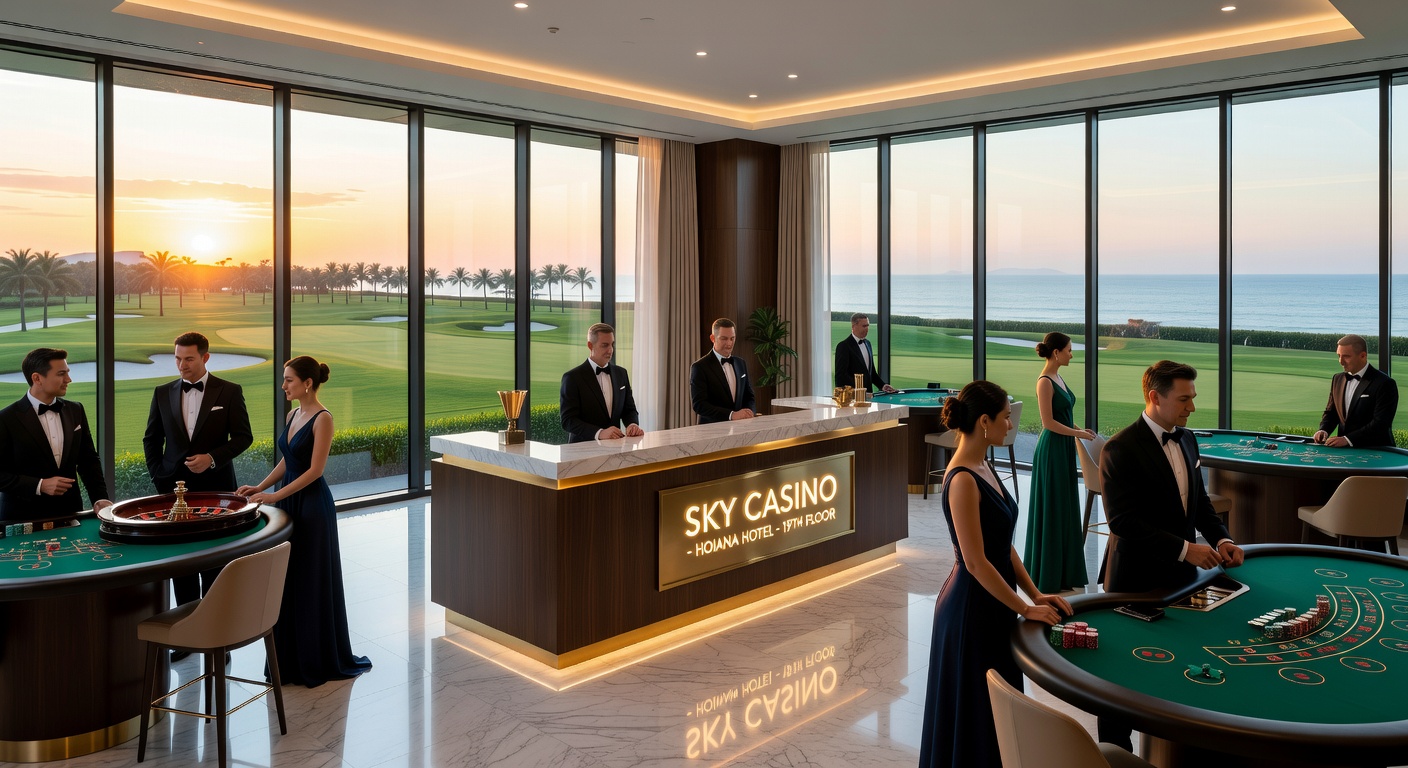
Roanoke city officials didn't back down easily, engaging a professional lobbying firm to champion the cause in Richmond and formalizing ties with the unnamed casino developer through a non-disclosure agreement that kept specifics under wraps; these moves, executed in the lead-up to the 2026 General Assembly session, aimed to build momentum for what proponents saw as a transformative economic engine. Observers note the strategic timing, as Virginia lawmakers grappled with budget priorities and regional development bills, yet the Roanoke delegation's opposition remained a constant, blocking any path to approval.
Delegate Lily Franklin, representing parts of Roanoke City, has voiced concerns that a casino could divert investment from sustainable growth sectors, echoing sentiments shared by Senator Chris Head whose district includes Roanoke County; Senator David Suetterlein, Delegate McNamara, and Delegate Sam Rasoul rounded out the unified front, each citing data-driven worries about how gaming saturation might erode the valley's competitive edge in attracting tech firms and tourism dollars. And while city leaders touted the project's potential for thousands of jobs and millions in revenue—figures drawn from comparable developments—the legislators countered with evidence from nearby regions where post-casino economic promises fell short of expectations.
Arguments Against: Economic Harm and Better Alternatives
Legislators have articulated clear reservations, arguing that introducing a casino would harm the Roanoke Valley's economic development by fostering dependency on gaming revenue at the expense of diversified industries; studies referenced in legislative debates, such as those from the Virginia Hospitality and Tourism Association, reveal that non-gaming tourism—think hiking in the Blue Ridge Mountains or events at upgraded venues—yields steadier, higher-quality job growth. People who've analyzed Virginia's casino expansions often discover mixed results, with Portsmouth's temporary facility generating buzz but also straining local infrastructure, a cautionary tale for Roanoke leaders.
That's where the rubber meets the road: instead of a casino gamble, the delegation pushes for targeted investments in the Berglund Center itself, like modernizing facilities to host more conventions and e-sports tournaments, enhancements that could draw repeat visitors without the social costs associated with gambling; Delegate Rasoul, for instance, has highlighted ongoing discussions for arena expansions that align with the city's Innovation Corridor initiatives, blending tech innovation with entertainment. Yet city officials, undeterred, continue to explore partnerships, though the non-disclosure agreement limits public insight into the operator's financial commitments or operational plans.
One case that lawmakers point to involves Danville's casino, approved after a referendum but facing delays and community pushback; figures from the Virginia Department of Taxation show initial revenue spikes there, but long-term data suggests slower-than-expected tourism spillovers, reinforcing the Roanoke group's stance that the Berglund district thrives best without slots and tables.
Failed Bid in the 2026 General Assembly Session
During the recently concluded session, the casino proposal hit a definitive snag, unable to muster support from the full General Assembly or the Governor's signature; bills related to regional gaming amendments surfaced, but Roanoke's iteration lacked the necessary co-sponsors from its own backyard, a detail that sealed its fate. Reports confirm that while other southwest Virginia projects advanced—think infrastructure bonds for highways serving tourist hubs—the entertainment district casino drew unanimous "no" votes from the local delegation, who attended key committee hearings to voice their positions.
Now, with the session adjourned and May 2026 bringing fresh affirmations of opposition, the ball's in the city's court to pivot; lobbying expenditures, though undisclosed in amount, represent sunk costs, and the anonymous operator's next moves remain speculative under the NDA's veil. Those tracking Virginia's gaming policy evolution note that referendums have been key in other cities, but Roanoke has shown no appetite for putting the question to voters, leaving upgrades to the Berglund Center as the frontrunner for district revitalization.
Looking Ahead: Tourism Focus Over Gaming Gambles
Alternatives like Berglund Center renovations gain traction among stakeholders, with proposals for improved acoustics, flexible seating, and adjacent green spaces that could host festivals year-round; city council discussions in recent months have shifted toward public-private partnerships for these non-gaming enhancements, drawing interest from national event promoters. And while the casino dream lingers—fueled by the lobbying firm's ongoing advocacy—lawmakers' resolve signals that economic development in the Roanoke Valley prioritizes stability over high-stakes ventures.
It's noteworthy that this saga reflects broader patterns in Virginia, where urban centers embrace casinos but rural and mid-sized areas like Roanoke weigh opportunity costs heavily; researchers from Virginia Tech's Center for Economic Analysis have published reports underscoring how tourism diversification outperforms gaming monocultures in sustaining employment, a viewpoint that aligns seamlessly with the delegation's May 2026 statements.
Conclusion
In the end, Roanoke's lawmakers have drawn a line in the sand against the Berglund Center casino, their unanimous opposition enduring despite the city's lobbying hires and secretive operator deal; the proposal's rejection in the 2026 General Assembly leaves the entertainment district at a crossroads, with tourism-centric upgrades poised to shape its future. As May 2026 unfolds, the focus sharpens on proven paths forward, ensuring the Roanoke Valley's growth remains grounded in its strengths rather than untested bets.