Tracing Promotional Credit Pathways Across Blockchain Mobile Entertainment Networks
Written by Sage Flores · Jun 3, 2026
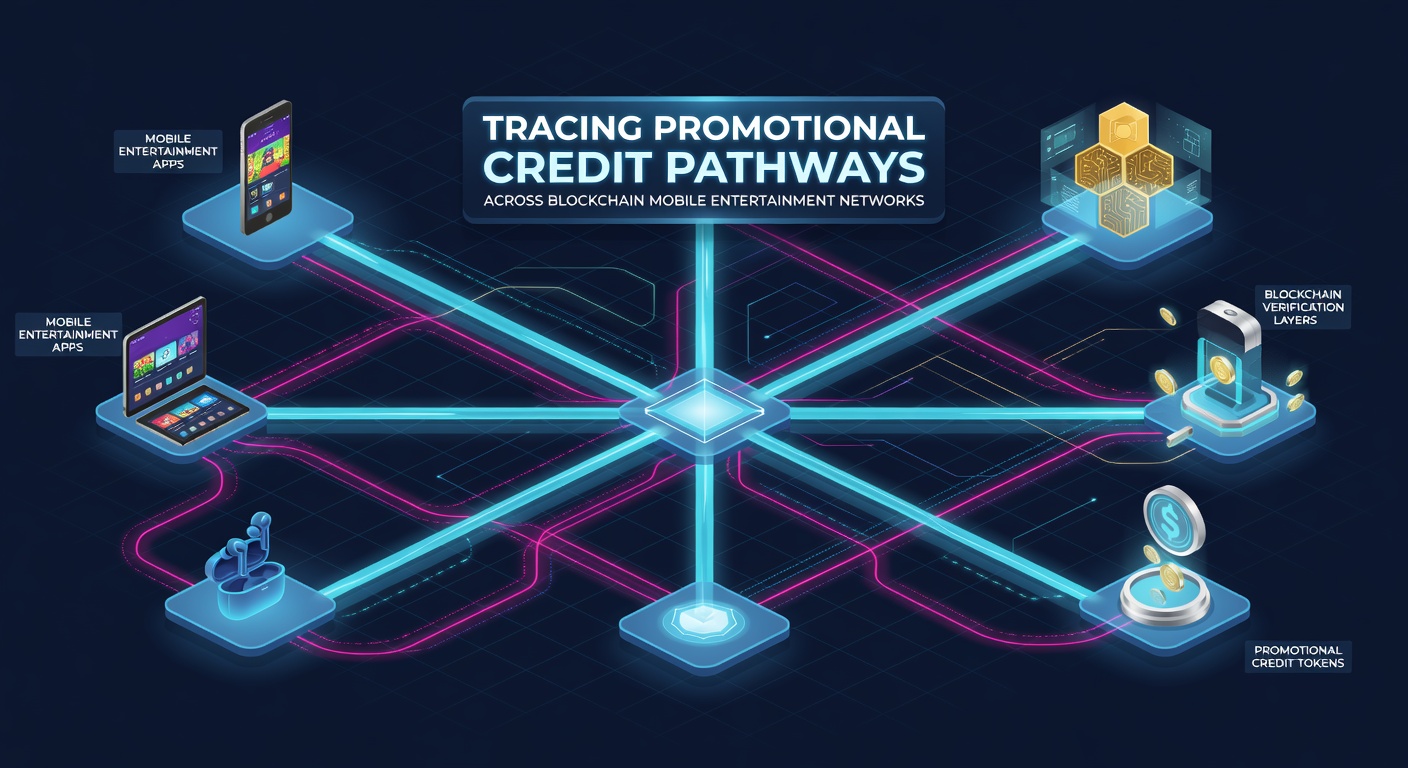
Tracing Promotional Credit Pathways Across Blockchain Mobile Entertainment Networks
Promotional credits move through blockchain mobile entertainment networks via smart contracts that record each transfer on distributed ledgers, and these systems allow operators to track bonuses from initial distribution to final redemption across multiple mobile applications without central intermediaries. Developers design these pathways so that digital tokens representing credits carry metadata detailing origin, expiration rules, and eligibility conditions, which means every step leaves an immutable record visible to network participants.
Core Mechanisms Behind Credit Distribution
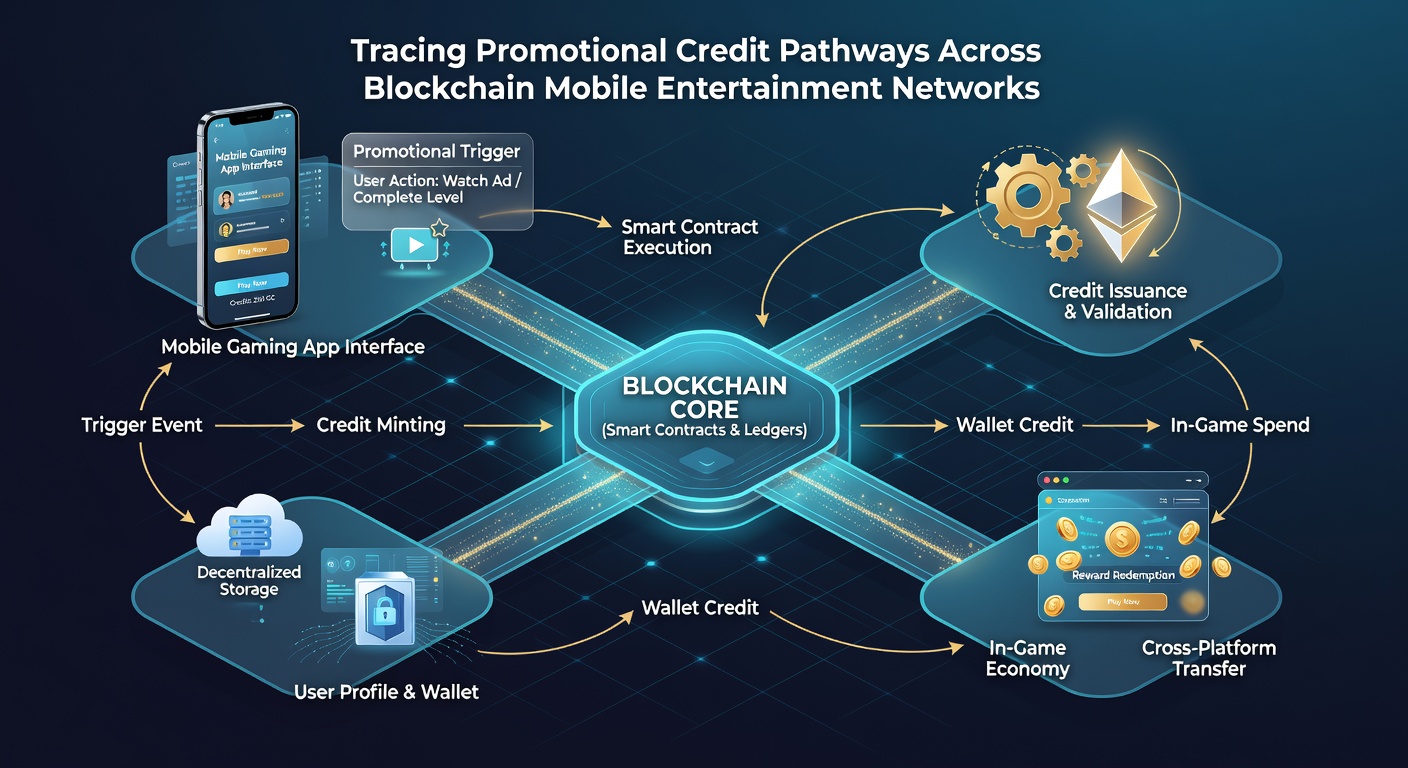
Smart contracts execute automatically when users complete qualifying actions on mobile devices, releasing credits into digital wallets that connect to entertainment platforms, while the underlying blockchain verifies each transaction through consensus protocols before updating the shared ledger. Observers note that mobile apps integrate these contracts through APIs that communicate with wallet software, enabling seamless movement of credits between different games or services hosted on the same network. Data from various blockchain platforms shows that transaction times average under ten seconds on high-throughput chains, supporting real-time credit allocation during live sessions.
Wallet addresses serve as the primary identifiers for credit ownership, so tracing begins by examining the originating contract address and following subsequent transfers recorded in block data. Researchers at institutions focused on distributed systems have documented how zero-knowledge proofs sometimes mask user identities while still confirming that credits meet redemption criteria, which adds a layer of privacy without breaking the audit trail. In June 2026 several networks plan to upgrade their consensus algorithms, a change expected to reduce confirmation delays further and allow credits to cross between entertainment ecosystems with minimal latency.
Tracking Across Interconnected Mobile Platforms
Credits often originate on one platform yet get redeemed on another when interoperability standards permit direct ledger queries between separate chains, and bridge protocols facilitate these handoffs by locking tokens on the source chain while minting equivalent representations on the destination. Experts in distributed ledger technology point out that each bridge event creates an additional transaction log that auditors can follow, revealing patterns such as repeated transfers among a cluster of mobile users or sudden spikes in activity tied to promotional campaigns. One study from a Canadian research group examined transaction graphs and found that promotional credits frequently travel through three to five intermediary wallets before reaching a redemption point, illustrating the complexity of modern pathways.
Regulatory frameworks in multiple regions now require operators to maintain accessible records of these flows, which has prompted development of specialized analytics tools capable of parsing blockchain data in real time. The European Commission's digital finance strategy includes guidelines on transparency for tokenized assets used in entertainment, and similar measures appear in reports from Australian authorities overseeing digital markets. These policies emphasize verifiable trails that demonstrate credits have not been diverted outside approved channels, encouraging platforms to adopt standardized reporting formats that integrate directly with their smart contract infrastructure.
Security and Verification Practices
Multi-signature requirements and time-locked contracts add safeguards that prevent unauthorized redirection of promotional credits, yet these same features create additional nodes in the tracing process that analysts must account for when reconstructing pathways. Industry organizations such as the Blockchain Gaming Alliance publish technical papers outlining best practices for embedding verification hooks that allow external auditors to confirm compliance without exposing sensitive user data. Figures from network monitoring services indicate that successful fraud attempts involving credit manipulation have declined on chains that implement these layered controls, though challenges remain when credits move across less regulated bridge services.
Users interact with these systems through mobile interfaces that abstract away the underlying ledger operations, presenting balances and redemption options in familiar app formats while the blockchain handles settlement in the background. Those who examine transaction histories on public explorers can map entire credit journeys from issuance through multiple redemptions, revealing whether promotional offers reached intended recipients or encountered unexpected friction at network boundaries. What's interesting is how these visible records also help platform operators refine future campaigns by identifying bottlenecks where credits stall before redemption.
Conclusion
Tracing promotional credit pathways across blockchain mobile entertainment networks relies on the transparent, sequential nature of distributed ledgers combined with smart contract logic that automates and records every transfer. Continued upgrades scheduled for mid-2026 alongside evolving regulatory expectations will likely expand the precision and reach of these tracking capabilities, enabling clearer oversight while preserving the decentralized structure that defines the technology.