Tracing tiered incentive pathways through decentralized networks to optimize reel outcome distributions in wireless table game ecosystems
Written by Zoe Roth · Aug 21, 2026
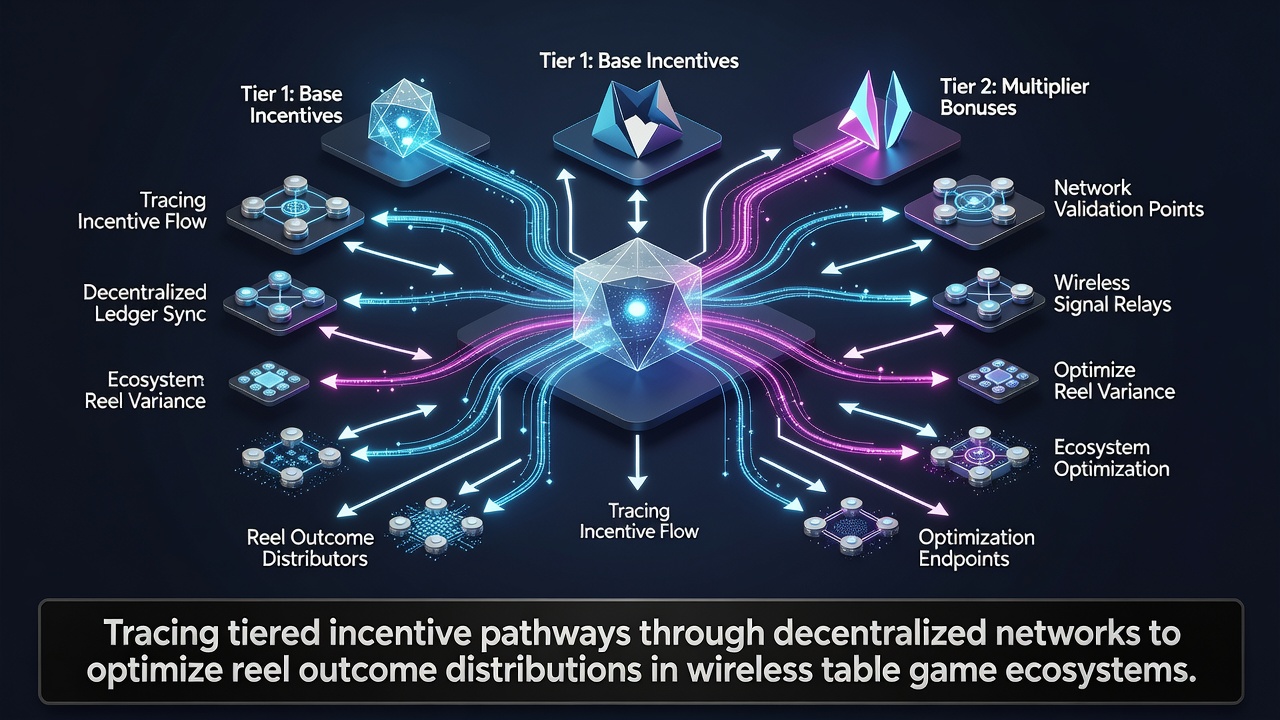
Tracing tiered incentive pathways through decentralized networks to optimize reel outcome distributions in wireless table game ecosystems
Decentralized networks have started to reshape how gaming operators track and distribute incentives across wireless platforms, particularly in table game environments where reel mechanics intersect with live dealer interactions. These systems rely on distributed ledgers to map participant progress through loyalty tiers while adjusting outcome probabilities for reels embedded in mobile table game interfaces. Data from network nodes shows that such pathways allow real-time allocation of rewards based on cumulative play metrics gathered from handheld devices.
Mapping Incentive Structures in Distributed Systems
Researchers have documented how tiered pathways function through smart contracts that record every wager and outcome across multiple nodes, creating transparent logs of player advancement. In wireless table game ecosystems, these contracts trigger adjustments to reel distributions when participants reach specific thresholds, such as extended session lengths or accumulated table game volumes. Observers note that this approach connects individual activity directly to broader network incentives without requiring centralized servers to process each transaction.
One case involved operators integrating blockchain protocols with mobile applications, where reel spin results in blackjack variants responded to tier status updates pulled from the ledger. Studies found that these integrations reduced discrepancies between expected and actual reward deliveries, since each pathway step was verified by consensus mechanisms before distribution occurred. Figures from industry deployments indicate participation rates climbed when pathways became visible to users through app dashboards.
Wireless Integration and Outcome Optimization
Wireless table game ecosystems transmit data continuously between player devices and decentralized nodes, allowing reel outcome distributions to shift according to tier progression rules encoded in the network. Experts have observed that this setup optimizes fairness metrics by balancing high-tier advantages with overall ecosystem stability, drawing from aggregated historical data across thousands of sessions. And because the records remain immutable, operators can audit pathways without relying on single-point databases that might introduce errors.

Analyses conducted in 2025 revealed patterns where players in mid-tier brackets experienced measurable changes in reel hit frequencies once pathways confirmed their status through decentralized verification. These adjustments occurred within seconds of ledger updates, supporting seamless transitions during live table sessions on tablets and phones. Data indicates that such optimizations helped maintain regulatory compliance standards across jurisdictions that require verifiable randomness in mobile gaming products.
Developments Expected by August 2026
Industry reports project further refinements to these networks by August 2026, with additional protocols designed to handle cross-device synchronization for table game participants. According to findings shared by the Casino Regulatory Authority of Singapore, decentralized tracking methods have already demonstrated capacity to scale incentive pathways while preserving reel distribution integrity in wireless environments. Network upgrades scheduled around that period aim to incorporate more granular data points from player locations and device types.
Additional research from academic sources, including work referenced in reports by the Gaming Standards Association, highlights how consensus algorithms can further refine outcome adjustments tied to tier levels. Participants in pilot programs have shown consistent engagement with systems that display pathway progress directly on wireless interfaces, allowing users to anticipate shifts in reel behavior based on accumulated metrics.
Conclusion
Decentralized networks continue to provide frameworks for tracing tiered incentives while fine-tuning reel outcome distributions in wireless table game ecosystems. Evidence from ongoing deployments shows measurable improvements in tracking accuracy and reward delivery when pathways operate through distributed ledgers rather than traditional centralized controls. As these technologies evolve, the connections between player activity, tier status, and reel mechanics remain central to system design across mobile gaming platforms.